
facebook
instagram
twitter
linkedin
X
europolitiche

Sign up now to

europolitiche3

Newsletter

europolitiche

Cross-media in Italian on the policies of European institutions and governments of European Union countries

Cross-media in Italian on the policies of European institutions and governments of European Union countries

Ecco la Redazione Giovanile di Europolitiche all'Europa Project Week 2026!Europolitiche lancia "Discovering the Balkans", il nuovo progetto finanziato Erasmus+Collina d'Europa: aiutaci a far crescere la nuova biblioteca / Help us build our new libraryEurogroup's Balancing Act: Unity, Realism, and the October AgendaLa voix des bancs: la France et la redécouverte d'une communauté dans la rueL'Europa non si aspetta, si progetta: al via a Roma la prima edizione del Festival della ProgettazioneSpain at a Crossroads: Sánchez Re-engages and Calls Snap Elections for November 29The Architecture of Euro Debt: The Expert Debate on a European Safe AssetEurope at the UN General Assembly: Priorities, Debates, and Leadership ResponsesBerlin's Left Turn and AfD's Political Isolation: Germany's September VoteDublin Summit: Eurogroup and Ecofin Chart the CourseUrsula von der Leyen and the State of the UnionVon der Leyen’s 2026 SOTEU Between Strategic Sovereignty and Social CohesionThe Parliament on a Razor's Edge: Sweden Chooses a Cautious TurnSovereignty and Growth: Driving Europe's Green Transition in Global GeopoliticsECB Rate Hike on September 10 Despite RisksMille giorni per rifare l’Europa: alla Sapienza nasce la sfida del nuovo processo costituenteBelgrade and the European Path: Reflections Following the Burial of Ratko MladićThe Shadow of Eastern Discontent and the Resilience of German Democratic ArchitectureThe Great Turning Point: Europe’s Electoral Map from 2026 to 2027EU Growth Momentum and Moderate Convergence in the Q2 2026 ExpansionBurnham's Blueprint: Resetting Britain’s National CourseGeopolitics, Power, and European Integration: Analyzing Mario Draghi's New BookIceland Puts the Brakes on Europe, but Its Cities Choose Pro-European PragmatismThe Kiev Summit and the Coalition of the Willing in Support of UkraineThe Rhine Group: Mario Draghi’s new vector for European policy executionL'Europa in viaggio. Storia di ponti e di muri. Recensione del libro di Marco MagnoneA Conceptual Map of Current EU Enlargement ResearchWhy Adult Education Is Strategic for EuropeEmpowering Europe’s Youth: Demographic Shifts, Social Rights, and the Future of WorkThermal Stress and the Body Politic: Labor Protection, Social Cleavages, and the Future of European CitizenshipEU Social Pillar Toward 2030: AI, Cost of Living, and Job GuaranteesTaming the Algorithm: How the AI Act’s New Rules Test the Limits of European DemocracyJuly Flash Inflation Rises to 2.9% in the EurozoneThe Night of Ceuta and the Labyrinth of Borders: When Humanity Questions Spain and EU
europolitiche

European Leaders Unite to Defend Greenland’s Sovereignty

07-01-2026 19:12

Europolitiche

Europolitiche, Macro/Scenari, groenlandia, difesa-della-groenlandia, pretese-di-trump-sulla-groenlandia, us-president-trump-has-made-no-secret-of-his-ambitions-regarding-greenland, january-2026, gennaio-2026,

European Leaders Unite to Defend Greenland’s Sovereignty

Organismi UE e Stati europei hanno risposto ufficialmente a Trump sul possibile coinvolgimento degli Usa nel controllo della Groenlandia

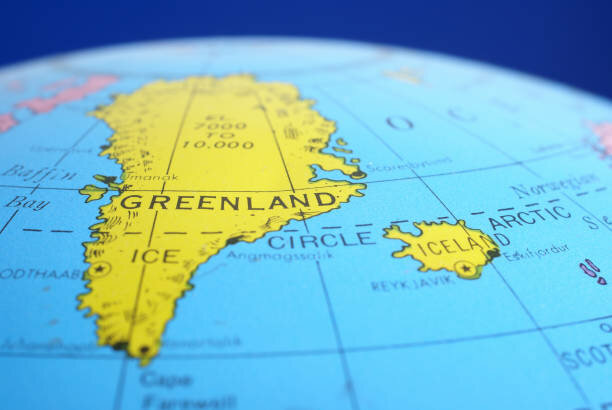
EU/ENG - Since the capture of Nicolás Maduro and his wife, US President Trump has made no secret of his ambitions regarding Greenland, expressing his intention to seize sovereignty over the Danish island of 56,000 inhabitants, promoting alternatives to purchase it and annexation by force. The White House claims it is a matter of national security, without mentioning the abundant minerals buried beneath the ice.

European Union bodies and European states have issued an official position in response to statements by Trump and other US officials regarding the possible involvement of the United States in the control of Greenland. All European leaders emphasize the principles of international law and the need to maintain the sovereignty and territorial integrity of countries.

The European response took the form of a joint statement by the leaders of France, Germany, Italy, Poland, Spain, the United Kingdom, and Denmark, who reaffirmed that Greenland belongs to its people and that all decisions regarding its future rest solely and jointly with Denmark and Greenland.

For Europeans, security in the Arctic region must be pursued collectively and in cooperation with NATO allies, the Atlantic Alliance for collective defense to which both European member states and the United States belong.

The outcome of the diplomatic confrontation over Greenland between Brussels, Copenhagen, and Washington therefore remains evolving, with the outcome not easily predictable.
 

groenland-a.jpeg

EU/ITA - Sin dalla cattura di Nicolás Maduro e di sua moglie, il presidente degli Stati Uniti Trump non ha fatto mistero delle sue ambizioni riguardo alla Groenlandia, manifestando l'intenzione di impadronirsi della sovranità sull'isola danese di 56.000 abitanti, promuovendo alternativamente l'opzione dell'acquisto e quella dell'annessione con la forza. La Casa Bianca afferma che si tratta di una questione di sicurezza nazionale, senza menzionare gli abbondanti minerali sepolti sotto i ghiacci. 

Organismi dell’Unione Europea e Stati europei hanno definito una posizione ufficiale in risposta alle dichiarazioni di Trump e di altri funzionari statunitensi, sul possibile coinvolgimento degli Stati Uniti nel controllo della Groenlandia. Tutti i leader europei richiamano l’attenzione sui principi del diritto internazionale e sulla necessità di mantenere sovranità e integrità territoriale dei Paesi.

La reazione europea si è concretizzata in una dichiarazione congiunta da parte dei leader di Francia, Germania, Italia, Polonia, Spagna, Regno Unito e Danimarca, che hanno ribadito che la Groenlandia appartiene al suo popolo e che spetta unicamente e congiuntamente a Danimarca e Groenlandia ogni decisione in merito al proprio futuro. 

La sicurezza nella regione artica, per gli europei, deve essere perseguita in modo collettivo e in cooperazione con gli alleati della NATO, l’Alleanza Atlantica di difesa collettiva a cui appartengono sia gli Stati membri europei che gli Stati Uniti.

L’esito del confronto diplomatico sulla Groenlandia tra Bruxelles, Copenaghen e Washington resta pertanto in evoluzione con esiti non facilmente prevedibili


analisti associati @europolitiche.it*

This contribution is not a journalistic article but an analytical brief - Questo contributo non è un articolo giornalistico ma un brief analitico

facebook
instagram
twitter
linkedin
whatsapp
X

WEBSITE CREATED BY Q DIGITALY

©2021-2025 di Europolitiche.it