
facebook
instagram
twitter
linkedin
X
europolitiche

Sign up now to

europolitiche3

Newsletter

europolitiche

Cross-media in Italian on the policies of European institutions and governments of European Union countries

Cross-media in Italian on the policies of European institutions and governments of European Union countries

Ecco la Redazione Giovanile di Europolitiche all'Europa Project Week 2026!Europolitiche lancia "Discovering the Balkans", il nuovo progetto finanziato Erasmus+Collina d'Europa: aiutaci a far crescere la nuova biblioteca / Help us build our new libraryEurogroup's Balancing Act: Unity, Realism, and the October AgendaLa voix des bancs: la France et la redécouverte d'une communauté dans la rueL'Europa non si aspetta, si progetta: al via a Roma la prima edizione del Festival della ProgettazioneSpain at a Crossroads: Sánchez Re-engages and Calls Snap Elections for November 29The Architecture of Euro Debt: The Expert Debate on a European Safe AssetEurope at the UN General Assembly: Priorities, Debates, and Leadership ResponsesBerlin's Left Turn and AfD's Political Isolation: Germany's September VoteDublin Summit: Eurogroup and Ecofin Chart the CourseUrsula von der Leyen and the State of the UnionVon der Leyen’s 2026 SOTEU Between Strategic Sovereignty and Social CohesionThe Parliament on a Razor's Edge: Sweden Chooses a Cautious TurnSovereignty and Growth: Driving Europe's Green Transition in Global GeopoliticsECB Rate Hike on September 10 Despite RisksMille giorni per rifare l’Europa: alla Sapienza nasce la sfida del nuovo processo costituenteBelgrade and the European Path: Reflections Following the Burial of Ratko MladićThe Shadow of Eastern Discontent and the Resilience of German Democratic ArchitectureThe Great Turning Point: Europe’s Electoral Map from 2026 to 2027EU Growth Momentum and Moderate Convergence in the Q2 2026 ExpansionBurnham's Blueprint: Resetting Britain’s National CourseGeopolitics, Power, and European Integration: Analyzing Mario Draghi's New BookIceland Puts the Brakes on Europe, but Its Cities Choose Pro-European PragmatismThe Kiev Summit and the Coalition of the Willing in Support of UkraineThe Rhine Group: Mario Draghi’s new vector for European policy executionL'Europa in viaggio. Storia di ponti e di muri. Recensione del libro di Marco MagnoneA Conceptual Map of Current EU Enlargement ResearchWhy Adult Education Is Strategic for EuropeEmpowering Europe’s Youth: Demographic Shifts, Social Rights, and the Future of WorkThermal Stress and the Body Politic: Labor Protection, Social Cleavages, and the Future of European CitizenshipEU Social Pillar Toward 2030: AI, Cost of Living, and Job GuaranteesTaming the Algorithm: How the AI Act’s New Rules Test the Limits of European DemocracyJuly Flash Inflation Rises to 2.9% in the EurozoneThe Night of Ceuta and the Labyrinth of Borders: When Humanity Questions Spain and EU
europolitiche

ECB: Lagarde on French Elections, we are attentive about financial stability

02-07-2024 17:53

Europolitiche

Europolitiche, lagarde, tassi, bce-, politica-monetaria, ecb-, monetary-policy, governatori-delle-banche-centrali, sintra-, ecb-forum-2024,

ECB: Lagarde on French Elections, we are attentive about financial stability

Dal 1 al 3 luglio si svolge a Sintra, in Portogallo, il Forum delle banche centrali organizzato da BCE

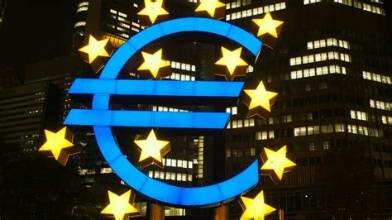
EN - On the afternoon of July 1st, the Central Banks Forum organized by the ECB opened in Sintra, Portugal, whose President Lagarde inaugurated the Forum, which takes place from July 1st to 3rd, has as its theme "Monetary Policy in an era of transition”.


IT -Nel pomeriggio del primo luglio si è aperto a Sintra, in Portogallo, il Forum delle banche centrali organizzato dalla BCE, la cui presidente Lagarde ha inaugurato il Forum, che si svolge dall’1 al 3 luglio, ha come tema “Politica monetaria in un'epoca di transizione”.

A Sintra i lavori dei governatori delle banche centrali vertono sull’elaborazione di politiche monetarie all’entrata nel nuovo ciclo di tagli dei tassi d'interesse.

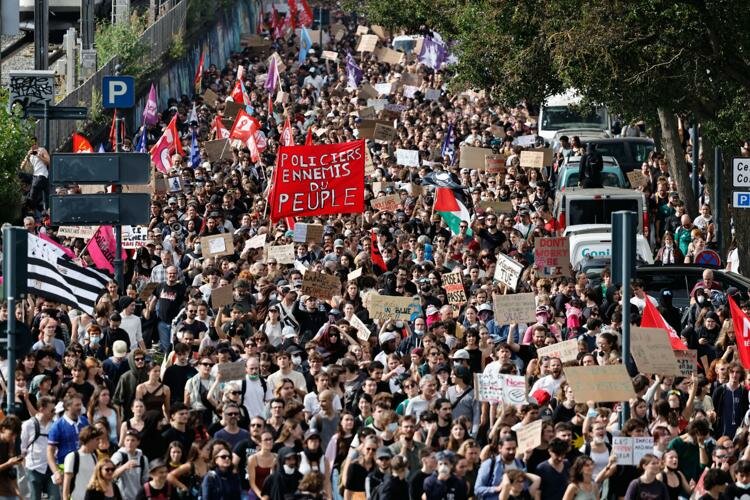
Il Forum ricade nella settimana tra primo e secondo turno delle elezioni legislative in Francia e tale coincidenza temporale ha stimolato domande dei giornalisti alla Lagarde su cosa potrebbe fare la BCE per proteggere l'eurozona da eventuali tensioni legate all'appuntamento elettorale che vede schierato sul fronte destro una formazione fuori dal perimetro mainstream dell'europeismo tradizionale. La presidente, peraltro francese, ha dato una risposta diplomatica:  “Non commenterò la situazione politica di nessuno degli stati membri, in particolare di quelli che stanno affrontando elezioni in questo momento. Ma, come sapete, la Banca Centrale Europea deve fare quello che deve fare. Il nostro mandato è la stabilità dei prezzi” e ha aggiunto che “la stabilità dei prezzi dipende ovviamente dalla stabilità finanziaria” precisando che la stessa che stare attenta alla "stabilità finanziaria " fa parte del lavoro della BCE.


staff @europolitiche.it

facebook
instagram
twitter
linkedin
whatsapp
X

WEBSITE CREATED BY Q DIGITALY

©2021-2025 di Europolitiche.it