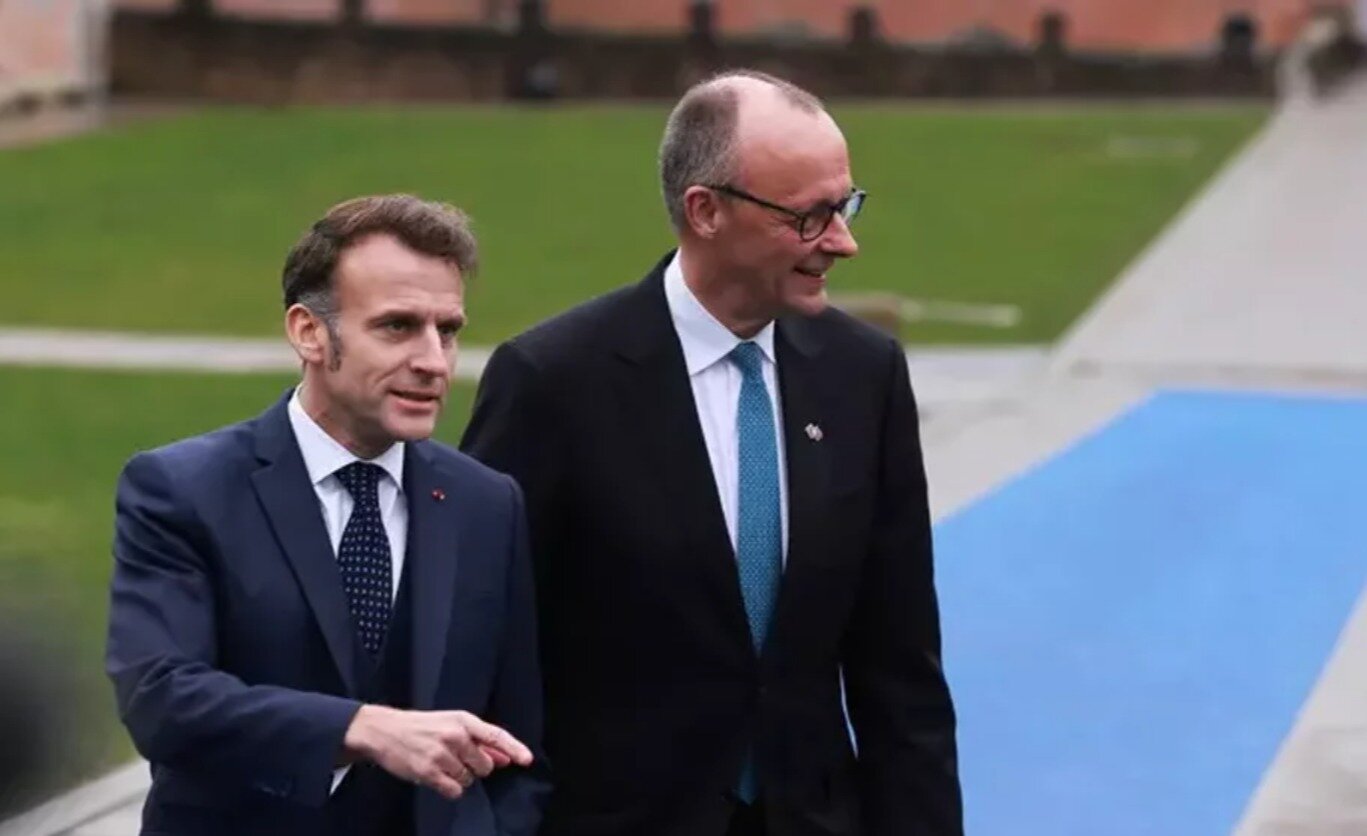



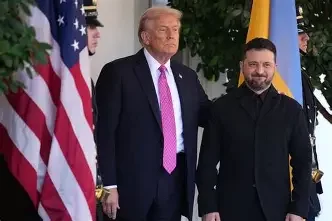
EU/ENG - On Sunday, December 28, Ukrainian President Volodymyr Zelensky joined Donald Trump at his residence in Mar a Lago, Florida. The meeting between the Washington and Kiev delegations lasted over an hour. Zelensky and Trump then appeared at a press conference, during which the US President emphasized the importance of telephone contacts with both Putin and many European leaders, particularly Starmer, Macron, and Merz, who are leading the front strategically deployed to defend Kiev.
After the usual introduction, emphasizing the avoidable war, Trump, without belittling Putin, essentially made it clear that he agreed with Zelensky's position on the key points around which the negotiations are being conducted: the solidification of the Donbass front, with a possible referendum in the event of a potential territorial transfer, joint management of the Zaporizhzhia nuclear power plant, and, above all, the assurance of specific defense guarantees from the United States and Europe to Ukraine.
Contrary to his previous stance, President Trump, mindful of the August summit with Putin in Alaska that failed to produce any results, seemed more open to embracing the Ukrainian president's point of view. Trump, however, reaffirmed his friendship with Putin, inviting him to shoulder the burden of further prosecuting the conflict. In Trump's view, continuing the war would further deprive Russia of the opportunity to quickly return to the trade systems legitimized by the international community, at least on the Western shore.
As in October, at the White House, Putin also consulted Trump in advance during this Florida summit in a phone call about which little was leaked to the media.
The influence of the Europeans, although not summoned to Florida, appears to have substantially increased in the meantime. The uncertainty remains, in the coming weeks, whether the Kremlin will be open to actually negotiating an end to hostilities, as Trump has politely insisted.
On the war front, Russian drones continue to bring death and destruction to Kiev, a capital that otherwise appeared very well protected, and, surprisingly, Moscow also appears vulnerable to Ukrainian drones. Donbas remains the most contested region, both on the ground and in the war-related and symbolic imagery of public opinion in Ukraine and Russia. 2025 also ends with a failed compromise between Russian imperialist revanchism and the heroic Ukrainian resistance, partly due to powerful US interests and inevitable European influence.
EU/ITA - Domenica 28 dicembre il presidente ucraino Volodymyr Zelensky ha raggiunto Donald Trump nella sua residenza a Mar a Lago, in Florida. Il colloquio fra le delegazioni di Washington e di Kiev è durato oltre un’ora, Zelensky e Trump sono poi apparsi in conferenza stampa, durante la quale il Presidente degli Stati Uniti ha valorizzato il ruolo dei contatti telefonici sia con Putin che con molti leader europei, in particolare Starmer, Macron e Merz che guidano il fronte schierato strategicamente a difesa di Kiev.
Dopo la consueta premessa, all’insegna della guerra che era possibile evitare, Trump, senza sminuire Putin, ha sostanzialmente fatto capire di concordare con la posizione di Zelensky sui punti essenziali intorno ai quali si svolgono i negoziati: cristallizzazione del fronte del Donbass, con un possibile ricorso al referendum popolare in caso di ipotesi di cessione territoriale, cogestione della centrale atomica di Zaporizhzhia e soprattutto l’assicurazione, nei confronti dell’Ucraina, di precise garanzie difensive da parte degli Stati Uniti e dell’Europa.
A differenza di posture assunte in precedenza, il presidente Trump, memore del nulla di fatto del vertice di agosto con Putin in Alaska, è sembrato più disponibile ad accogliere il punto di vista del presidente ucraino in questo settimo incontro. Trump ha comunque confermato la sua amicizia a Putin, invitandolo ad assumersi l’onere di un’ulteriore prosecuzione del conflitto. Nella visione trumpiana, continuare la guerra priverebbe ulteriormente la Russia delle opportunità di un celere rientro nei sistemi commerciali legittimati dalla comunità internazionale, almeno di sponda occidentale.
Come già ad ottobre, alla Casa Bianca, anche in occasione di questo vertice in Florida, Putin ha preventivamente sentito Trump in una telefonata sulla quale poco è trapelato ai media.
Il peso degli europei, sebbene non convocati in Florida, appare nel frattempo sostanzialmente accresciuto. Resta l’incognita, nelle prossime settimane, di una qualche apertura del Cremlino a negoziare davvero una fine delle ostilità, come chiesto con garbata insistenza da Trump.
Sul fronte di guerra, i droni russi continuano a portare morti e distruzione a Kiev, capitale apparsa comunque molto ben protetta, e, sorprendentemente, anche Mosca risulta vulnerabile a quelli ucraini. Il Donbass resta la regione più contesa sia sul campo che nell’immaginario bellico e simbolico delle opinioni pubbliche in Ucraina e Russia. Anche il 2025 si chiude con il mancato compromesso tra il revanchismo imperialista russo e l’eroica resistenza ucraina, complici anche i poderosi interessi statunitensi e le inevitabili influenze europee.
analisti associati @europolitiche.it*
* This contribution is not a journalistic article but an analytical brief - Questo contributo non è un articolo giornalistico ma un brief analitico