
facebook
instagram
twitter
linkedin
X
europolitiche

Sign up now to

europolitiche3

Newsletter

europolitiche

Cross-media in Italian on the policies of European institutions and governments of European Union countries

Cross-media in Italian on the policies of European institutions and governments of European Union countries

Ecco la Redazione Giovanile di Europolitiche all'Europa Project Week 2026!Europolitiche lancia "Discovering the Balkans", il nuovo progetto finanziato Erasmus+Collina d'Europa: aiutaci a far crescere la nuova biblioteca / Help us build our new libraryEurogroup's Balancing Act: Unity, Realism, and the October AgendaLa voix des bancs: la France et la redécouverte d'une communauté dans la rueL'Europa non si aspetta, si progetta: al via a Roma la prima edizione del Festival della ProgettazioneSpain at a Crossroads: Sánchez Re-engages and Calls Snap Elections for November 29The Architecture of Euro Debt: The Expert Debate on a European Safe AssetEurope at the UN General Assembly: Priorities, Debates, and Leadership ResponsesBerlin's Left Turn and AfD's Political Isolation: Germany's September VoteDublin Summit: Eurogroup and Ecofin Chart the CourseUrsula von der Leyen and the State of the UnionVon der Leyen’s 2026 SOTEU Between Strategic Sovereignty and Social CohesionThe Parliament on a Razor's Edge: Sweden Chooses a Cautious TurnSovereignty and Growth: Driving Europe's Green Transition in Global GeopoliticsECB Rate Hike on September 10 Despite RisksMille giorni per rifare l’Europa: alla Sapienza nasce la sfida del nuovo processo costituenteBelgrade and the European Path: Reflections Following the Burial of Ratko MladićThe Shadow of Eastern Discontent and the Resilience of German Democratic ArchitectureThe Great Turning Point: Europe’s Electoral Map from 2026 to 2027EU Growth Momentum and Moderate Convergence in the Q2 2026 ExpansionBurnham's Blueprint: Resetting Britain’s National CourseGeopolitics, Power, and European Integration: Analyzing Mario Draghi's New BookIceland Puts the Brakes on Europe, but Its Cities Choose Pro-European PragmatismThe Kiev Summit and the Coalition of the Willing in Support of UkraineThe Rhine Group: Mario Draghi’s new vector for European policy executionL'Europa in viaggio. Storia di ponti e di muri. Recensione del libro di Marco MagnoneA Conceptual Map of Current EU Enlargement ResearchWhy Adult Education Is Strategic for EuropeEmpowering Europe’s Youth: Demographic Shifts, Social Rights, and the Future of WorkThermal Stress and the Body Politic: Labor Protection, Social Cleavages, and the Future of European CitizenshipEU Social Pillar Toward 2030: AI, Cost of Living, and Job GuaranteesTaming the Algorithm: How the AI Act’s New Rules Test the Limits of European DemocracyJuly Flash Inflation Rises to 2.9% in the EurozoneThe Night of Ceuta and the Labyrinth of Borders: When Humanity Questions Spain and EU
europolitiche

The pro-EU party won Moldova's parliamentary elections

30-09-2025 04:52

Europolitiche

Europolitiche, moldavia, maria-sandu, chisinau, domenica-28-settembre-in-moldavia, vincono-i-filo-ue-in-moldavia, il-partito-damp39azione-e-solidarieta-al-governo-guidato-dalla-presidente-sandu,

The pro-EU party won Moldova's parliamentary elections

Il Partito d'Azione e Solidarietà al governo, guidato dalla presidente Sandu, domenica 28 settembre ha battuto il Blocco Patriottico filo-russo

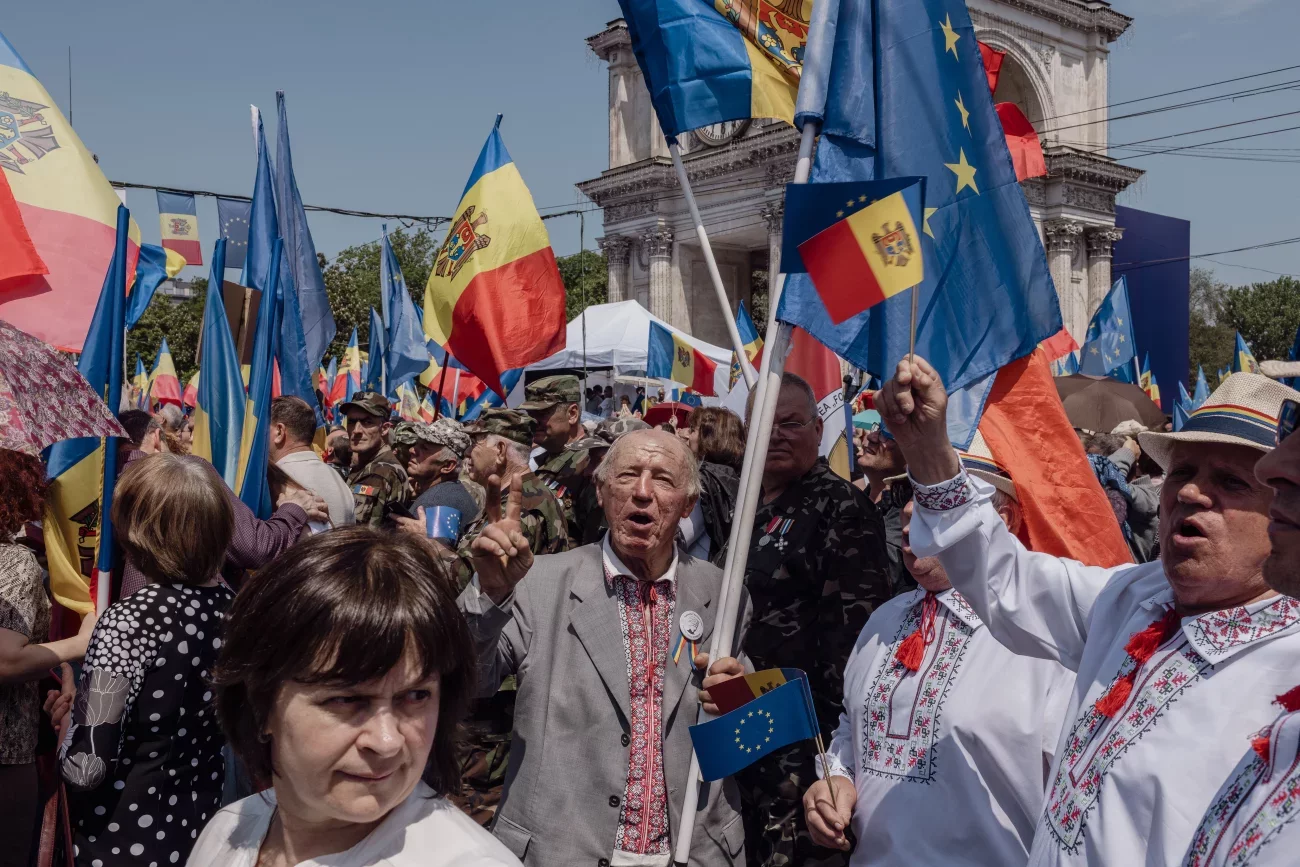
EU/ENG - The pro-EU party won Moldova's parliamentary elections with over 50% of the vote. In this landlocked country sandwiched between Romania and Ukraine, the result was greeted with jubilant demonstrations in the streets of the capital, Chisinau. On Sunday, September 28, the ruling Action and Solidarity Party, led by President Maia Sandu, received double the number of votes compared to the pro-Russian Patriotic Bloc, which was defeated with a modest result of just over 24%. The pro-EU party, in power since 2021, maintains an absolute majority in the parliament in Chisinau. 

In response to Moscow's less than conciliatory reactions, which she defended the fairness of Moldova's elections, which had been questioned by the Kremlin, the European Union's institutional leaders responded with a significant statement on X by European Council President Costa: "The Moldovan people have spoken, and their message is loud and clear. They have chosen democracy, reform, and a European future, despite pressure and interference from Russia. The EU stands by Moldova."

Maia Sandu, born in 1972, is a Harvard-educated Moldovan economist who has held positions at the World Bank. Former Prime Minister from June 8 to November 14, 2019, Sandu has been President of Moldova since December 24, 2020, the first woman to hold the highest positions in Moldovan institutions.


ITA - Il partito filo-UE ha vinto le elezioni parlamentari in Moldavia con oltre il 50% dei voti. Nel paese racchiuso tra Romania e Ucraina, il risultato è stato accolto con manifestazioni di gioia nelle piazze della capitale Chisinau.

Il Partito d'Azione e Solidarietà al governo, guidato dalla presidente Maia Sandu, ha infatti ottenuto domenica 28 settembre il doppio dei voti del Blocco Patriottico filo-russo, uscito sconfitto con un modesto risultato poco sopra il 24 per cento. I filo-Ue al potere dal 2021 mantengono la maggioranza assoluta in Parlamento a Chisinau.

Alle reazioni poco concilianti giunte da Mosca, ha replicato in difesa della regolarità delle elezioni in Moldavia, messe in dubbio dal Cremlino, hanno replicato i vertici istituzionali dell'Unione europea con una significativa dichiarazione su X del Presidente del Consiglio europeo Costa: “Il popolo moldavo si è espresso e il suo messaggio è forte e chiaro. Hanno scelto la democrazia, la riforma e un futuro europeo, nonostante le pressioni e le interferenze della Russia L'Ue è al fianco della Moldavia.”

Maia Sandu, classe 1972, è una economista moldava formatasi ad Harvard che ha ricoperto incarichi alla Banca Mondiale. Già Primo Ministro dall'8 giugno al 14 novembre del 2019 la Sandu è la Presidente della Moldavia dal 24 dicembre del 2020, prima donna ai massimi vertici delle istituzioni moldave. 


Inviati associati @europolitiche.it *


* This contribution is not a journalistic article but an analytical brief - Questo contributo non è un articolo giornalistico ma un brief analitico


facebook
instagram
twitter
linkedin
whatsapp
X

WEBSITE CREATED BY Q DIGITALY

©2021-2025 di Europolitiche.it