
facebook
instagram
twitter
linkedin
X
europolitiche

Sign up now to

europolitiche3

Newsletter

europolitiche

Cross-media in Italian on the policies of European institutions and governments of European Union countries

Cross-media in Italian on the policies of European institutions and governments of European Union countries

Ecco la Redazione Giovanile di Europolitiche all'Europa Project Week 2026!Europolitiche lancia "Discovering the Balkans", il nuovo progetto finanziato Erasmus+Collina d'Europa: aiutaci a far crescere la nuova biblioteca / Help us build our new libraryEurogroup's Balancing Act: Unity, Realism, and the October AgendaLa voix des bancs: la France et la redécouverte d'une communauté dans la rueL'Europa non si aspetta, si progetta: al via a Roma la prima edizione del Festival della ProgettazioneSpain at a Crossroads: Sánchez Re-engages and Calls Snap Elections for November 29The Architecture of Euro Debt: The Expert Debate on a European Safe AssetEurope at the UN General Assembly: Priorities, Debates, and Leadership ResponsesBerlin's Left Turn and AfD's Political Isolation: Germany's September VoteDublin Summit: Eurogroup and Ecofin Chart the CourseUrsula von der Leyen and the State of the UnionVon der Leyen’s 2026 SOTEU Between Strategic Sovereignty and Social CohesionThe Parliament on a Razor's Edge: Sweden Chooses a Cautious TurnSovereignty and Growth: Driving Europe's Green Transition in Global GeopoliticsECB Rate Hike on September 10 Despite RisksMille giorni per rifare l’Europa: alla Sapienza nasce la sfida del nuovo processo costituenteBelgrade and the European Path: Reflections Following the Burial of Ratko MladićThe Shadow of Eastern Discontent and the Resilience of German Democratic ArchitectureThe Great Turning Point: Europe’s Electoral Map from 2026 to 2027EU Growth Momentum and Moderate Convergence in the Q2 2026 ExpansionBurnham's Blueprint: Resetting Britain’s National CourseGeopolitics, Power, and European Integration: Analyzing Mario Draghi's New BookIceland Puts the Brakes on Europe, but Its Cities Choose Pro-European PragmatismThe Kiev Summit and the Coalition of the Willing in Support of UkraineThe Rhine Group: Mario Draghi’s new vector for European policy executionL'Europa in viaggio. Storia di ponti e di muri. Recensione del libro di Marco MagnoneA Conceptual Map of Current EU Enlargement ResearchWhy Adult Education Is Strategic for EuropeEmpowering Europe’s Youth: Demographic Shifts, Social Rights, and the Future of WorkThermal Stress and the Body Politic: Labor Protection, Social Cleavages, and the Future of European CitizenshipEU Social Pillar Toward 2030: AI, Cost of Living, and Job GuaranteesTaming the Algorithm: How the AI Act’s New Rules Test the Limits of European DemocracyJuly Flash Inflation Rises to 2.9% in the EurozoneThe Night of Ceuta and the Labyrinth of Borders: When Humanity Questions Spain and EU
europolitiche

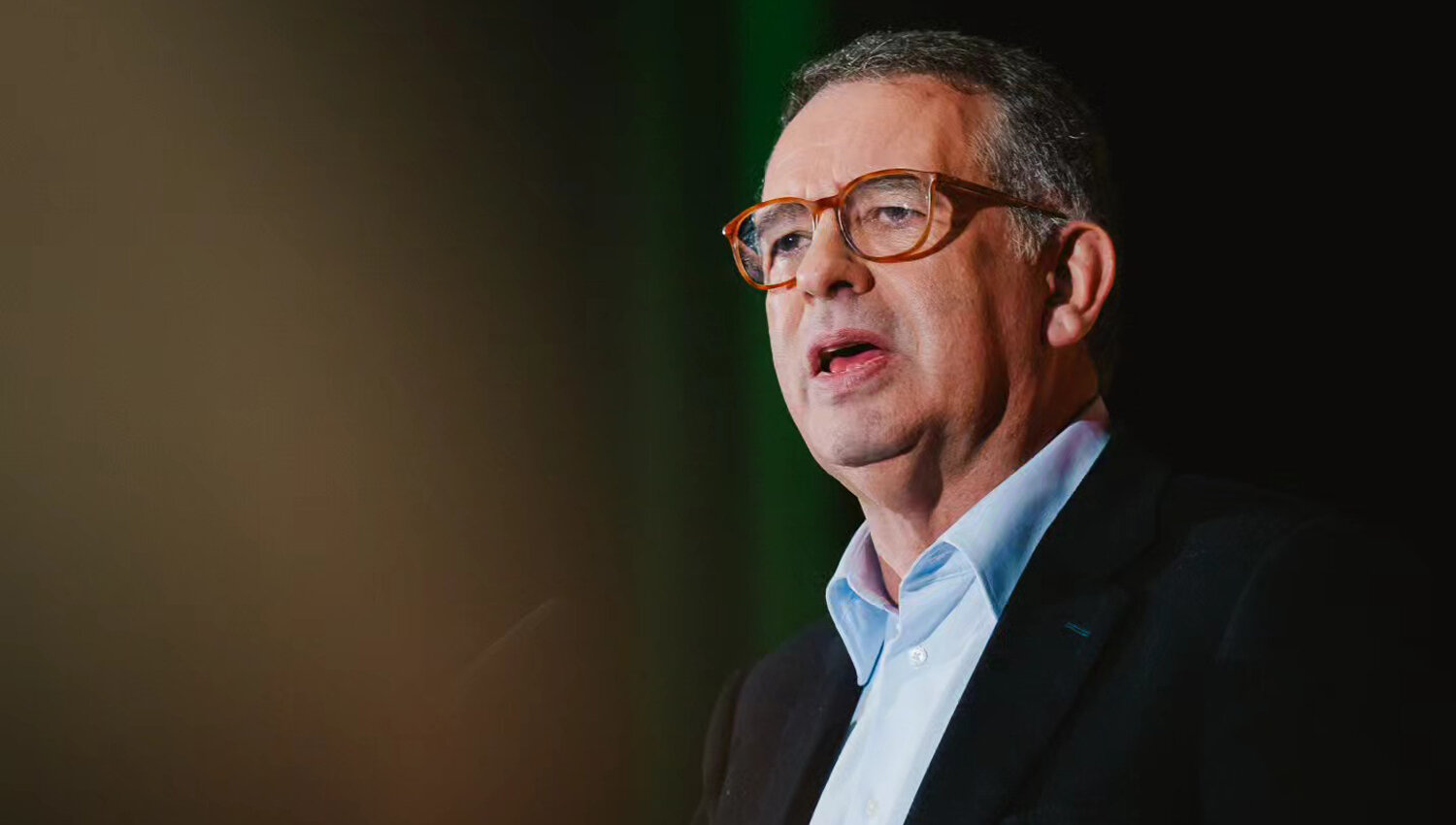
Portugal, Seguro elected new president

09-02-2026 09:42

Europolitiche

Europolitiche, antonio-jose-seguro, andre-ventura, elezioni-presidenziali-in-portogallo-di-domenica-8-febbraio, the-counting-of-ballots-in-portugals-presidential-election-has-concluded-, socialist-antonio-jose-seguro-is-the-new-president-of-the-portuguese-republic, the-far-right-chega-party,

Portugal, Seguro elected new president

Il socialista diventa Presidente con il 66,8% dei voti. André Ventura, del partito di estrema destra Chega, si è fermato al 33,1%.

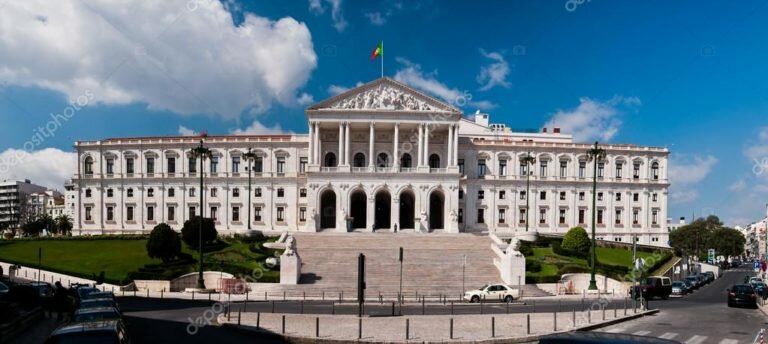
EU/ENG - The counting of ballots in Portugal's presidential election has concluded. With 66.8% of the vote, Socialist António José Seguro is the new President of the Portuguese Republic. André Ventura of the far-right Chega party, with 33.1%, recorded turnout of 50.1%. It had dropped to 39% in the 2021 presidential election, which was marked by the Covid-19 pandemic. This runoff, however, was marked by the severe consequences of the extreme weather events that have hit Portugal in recent days.

The two candidates immediately shared heated comments. "The Portuguese people are the best in the world; they have demonstrated an enormous attachment to the values ​​of democracy," said António José Seguro as he headed to the headquarters of his electoral committee. "He won, I wish him a great mandate; the Portuguese have shown they still don't want change," echoed his right-wing rival André Ventura. Both Seguro and his opponent have not yet given their usual closing speeches, considering that approximately 37,000 residents of the flood-affected areas will only vote on Sunday, February 15.
portogalo-sede-presidente.jpeg

EU/ITA - Si è concluso lo spoglio delle schede delle elezioni presidenziali in Portogallo di domenica 8 febbraio. Netta l'affermazione del socialista António José Seguro che diventa Presidente con il 66,8% dei voti. André Ventura, del partito di  estrema destra Chega, si è fermato al 33,1%. La partecipazione è stata del 50,1%. 

I due candidati hanno subito lasciato dei commenti a caldo. António José Seguro mentre si dirigeva alla sede del suo comitato elettorale ha dichiarato raggiante: «Il popolo portoghese è il migliore del mondo, ha dimostrato un enorme attaccamento ai valori della democrazia». Gli ha fatto eco il rivale di destra André Ventura ha detto: «Ha vinto lui, gli auguro un ottimo mandato, i portoghesi hanno dimostrato di non volere ancora il cambiamento».  

Sia Seguro che il suo oppositore non hanno ancora fatto il consueto discorso finale, considerando che circa 37mila residenti delle zone alluvionate voteranno solo domenica 15 febbraio, senza influenze sostanziali sull'esito già definitivo. 


Analisti associati @europolitiche.it

facebook
instagram
twitter
linkedin
whatsapp
X

WEBSITE CREATED BY Q DIGITALY

©2021-2025 di Europolitiche.it