


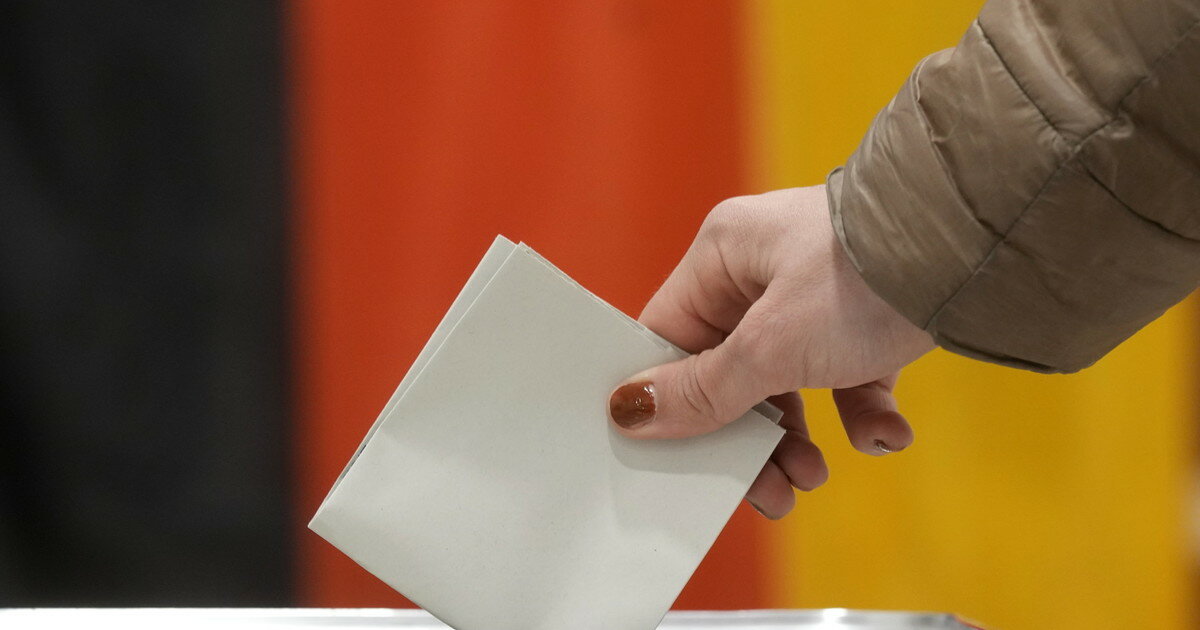
EU/ENG - The German electoral round of Sunday, September 20, 2026, has shaken the country's political landscape, delivering surprising verdicts and confirming the tensions running through federal and local institutional equilibria. At the center of media and political attention stands the outcome recorded in the capital, Berlin, flanked by the umpteenth confirmation of the growth of the far-right party Alternative for Deutschland (AfD). Despite these local shocks, Chancellor Merz has confirmed that he will not resign, aiming instead to relaunch his federal government.
Berlin Turns the Page: Historic Triumph for Die Linke
The most disruptive datum of Sunday's vote undoubtedly comes from Berlin, where renewed elections for the Abgeordnetenhaus (the city parliament) were held. For the first time in the metropolis's history, Die Linke (The Left) swept the competition, triumphing with an impressive 25.7% of the vote under the leadership of charismatic candidate Elif Eralp.
A net success that redraws the Berlin political map and severely penalizes traditional parties:
CDU: The Christian Democratic Union stalled at 18.8%, slipping to second place after the headwinds and difficulties accumulated over recent months.
AfD: Secured a significant 16.3%, outperforming historical forces such as the Greens and the SPD.
Greens and SPD: The Greens retreated to 14.3%, while the SPD (a party historically rooted in the capital) suffered a veritable collapse, stopping at 12.1%.
Analysts interpret the left-wing triumph as the result of a strong mobilization of youth and progressive demographics focused on the crucial issues of housing and rental emergencies. Nonetheless, a complex negotiation for the formation of the local government looms: Eralp will not be able to govern alone, and the puzzle of alliances will inevitably require understandings with centrist or ecologist parties.
The AfD's Advance: Strong Consensus, Political Isolation
Concurrently with the Berlin earthquake, the electoral round confirmed the growth trend of AfD across several areas of the country (including a strong showing in Mecklenburg-Western Pomerania). The far-right party continues to capitalize on social discontent and garners remarkable percentages—confirming 16.3% in Berlin itself.
However, despite its steady numerical rise at the ballot box, the AfD will not manage to govern. The so-called Brandmauer (political firewall) erected by all other constitutional forces in Germany remains rigidly impassable. No party in the constitutional arc is willing to open up to coalitions or government agreements with the far-right, leaving them confined to a role of parliamentary opposition yet effectively fully isolated from decision-making and executive tables.
A Federal Framework in Ferment
The vote of September 20, 2026, represents an opportunity for reflection for the governing parties at the federal level, highlighting an increasingly marked fragmentation of the German electorate. Chancellor Merz acknowledged the poor outcomes for the CDU in the local elections but reiterated that he will press ahead at the helm of the government. It should be noted that these are Berlin and eastern regional elections. It is incumbent upon the governing parties to ward off these pitfalls—albeit circumscribed to specific areas of the country—with renewed momentum based on the program of the CDU/CSU-SPD coalition that has supported Merz since May 6, 2025.
European Political Unit @europolitiche.it*
*This text is an in-depth summary provided by our think tank and does not constitute a journalistic article.

EU/GER - Die Bundestagswahl bzw. die Abstimmungswahlen vom Sonntag, den 20. September 2026, haben die politische Landschaft Deutschlands erschüttert, überraschende Ergebnisse geliefert und die Spannungen bestätigt, die durch das föderale und kommunale institutionelle Gefüge verlaufen. Im Zentrum der medialen und politischen Aufmerksamkeit steht das Resultat in der Hauptstadt Berlin, verbunden mit der erneuten Bestätigung des Erstarkens der rechtspopulistischen Alternative für Deutschland (AfD). Vom Bundeskanzler Merz kam indes die Bestätigung, dass er nicht zurücktreten, sondern stattdessen auf eine Neuausrichtung seiner Bundesregierung setzen wird.
Berlin schlägt ein neues Kapitel auf: Historischer Triumph für Die Linke
Der sprechendste Befund des Wahlsonntags stammt zweifellos aus Berlin, wo die Neuwahlen zum Abgeordnetenhaus stattfanden. Erstmals in der Geschichte der Metropole hat Die Linke die Konkurrenz deklassiert und unter der Führung ihrer charismatischen Spitzenkandidatin Elif Eralp mit beeindruckenden 25,7 Prozent der Stimmen triumphiert.
Ein deutlicher Erfolg, der die Berliner Politkarte neu zeichnet und die traditionellen Parteien hart abstraft:
CDU: Die Christlich Demokratische Union verharrt bei 18,8% und rutscht nach den aufgelaufenen Schwierigkeiten und dem Gegenwind der letzten Monate auf den zweiten Platz ab.
AfD: Erringt beachtliche 16,3% und übertrifft damit historische Kräfte wie die Grünen und die SPD.
Grüne und SPD: Die Grünen fallen auf 14,3% zurück, während die SPD (traditionell stark in der Hauptstadt verankert) mit 12,1% einen regelrechten Einbruch erleidet.
Analysten werten den Triumph der Linken als Resultat einer starken Mobilisierung von Jugend und progressiven Milieus rund um die drängenden Themen Mieten- und Wohnungsnot. Dennoch zeichnet sich eine komplexe Regierungsbildung ab: Eralp wird nicht allein regieren können, und das Koalitionskarussell erfordert unweigerlich Absprachen mit zentristischen oder ökologischen Kräften.
Der Vormarsch der AfD: Starke Zustimmung bei politischer Isolation
Parallel zum Berliner Erdbeben bestätigte der Urnengang den Wachstumstrend der AfD in verschiedenen Landesteilen (einschließlich eines starken Ergebnisses in Mecklenburg-Vorpommern). Die rechtspopulistische Partei profitiert weiterhin vom sozialen Unmut und erzielt beachtliche Prozentwerte – so auch die 16,3% in Berlin selbst.
Trotz des kontinuierlichen numerischen Zuwachses an den Urnen wird es der AfD jedoch nicht gelingen zu regieren. Die sogenannte Brandmauer, die von allen übrigen demokratischen Kräften errichtet wurde, bleibt strikt unüberwindbar. Keine Partei des demokratischen Spektrums ist bereit, Koalitionen oder Regierungsabsprachen mit der Rechten einzugehen, womit diese auf die Rolle der parlamentarischen Opposition beschränkt und von jeglichen Entscheidungs- und Regierungstischen vollständig isoliert bleibt.
Ein föderaler Raum im Gären
Das Votum vom 20. September 2026 bietet den Regierungsparteien auf Bundesebene Anlass zur Selbstreflexion und verdeutlicht eine zunehmend ausgeprägte Fragmentierung der deutschen Wählerschaft. Bundeskanzler Merz räumte die schwachen Ergebnisse der CDU bei den Regionalwahlen ein, bekräftigte jedoch, den Kurs an der Regierungsspitze fortzusetzen. Es sei anzumerken, dass es sich um Wahlen in Berlin und den ostdeutschen Regionen handele. Es liegt an den Regierungsparteien, diese – wenngleich auf spezifische Landesregionen begrenzte – Tendenzen mit neuem Schwung auf Basis des Regierungsprogramms der CDU/CSU-SPD-Koalition, die Merz seit dem 6. Mai 2025 stützt, abzuwehren.
European Political Unit @europolitiche.it*
*Der vorliegende Text ist eine vertiefende Analyse unseres Think Tanks und stellt keinen journalistischen Artikel dar.
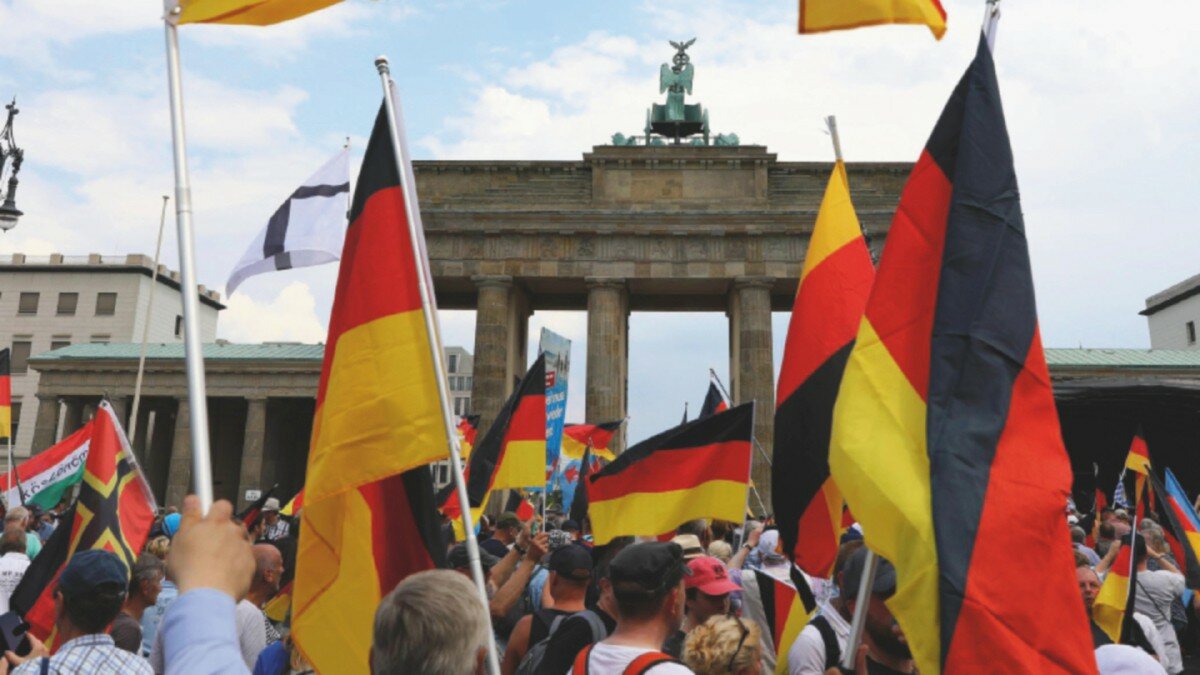
EU/FRA - Le scrutin allemand du dimanche 20 septembre 2026 a profondément secoué le paysage politique du pays, livrant des verdicts surprenants et confirmant les tensions qui traversent les équilibres institutionnels fédéraux et locaux. Au cœur de l'attention médiatique et politique trône le résultat enregistré dans la capitale, Berlin, conjugué à une nouvelle confirmation de la progression de l'extrême droite d'Alternative pour l'Allemagne (AfD). Du côté du chancelier Merz, la confirmation est toutefois tombée : il ne démissionnera pas et entend au contraire relancer son gouvernement fédéral.
Berlin tourne la page : triomphe historique pour Die Linke
La donnée la plus disruptive du vote de dimanche provient indiscutablement de Berlin, où se sont tenues les élections renouvelées de l'Abgeordnetenhaus (le parlement de la cité). Pour la première fois de l'histoire de la métropole, Die Linke (La Gauche) a surclassé la concurrence en triomphant avec un impressionnant 25,7 % des suffrages, menée par sa charismatique candidate Elif Eralp.
Un succès net qui redessine la carte politique berlinoise et sanctionne durement les partis traditionnels :
CDU : L'Union chrétienne-démocrate stagne à 18,8 %, rétrogradant à la deuxième place après les difficultés et les vents contraires accumulés ces derniers mois.
AfD : Obtient un score significatif de 16,3 %, devançant des forces historiques telles que les Verts et le SPD.
Verts et SPD : Les Verts reculent à 14,3 %, tandis que le SPD (parti historiquement ancré dans la capitale) subit un véritable effondrement en s'arrêtant à 12,1 %.
Ce triomphe de la gauche est analysé comme le fruit d'une forte mobilisation de la jeunesse et des franges progressistes focalisées sur les enjeux cruciaux des loyers et de la crise du logement. Néanmoins, une négociation complexe s'annonce pour la constitution de l'exécutif local : Eralp ne pourra gouverner seule, et le puzzle des alliances exigera inévitablement des compromis avec les formations centristes ou écologistes.
L'avancée de l'AfD : ancrage fort et isolement politique
Parallèlement au séisme berlinois, le scrutin a confirmé la dynamique de progression de l'AfD dans plusieurs régions du pays (notamment à travers un solide résultat en Mecklembourg-Poméranie-Occidentale). Le parti d'extrême droite continue de capitaliser sur le mécontentement social et récolte des pourcentages considérables — confirmant ses 16,3 % dans Berlin même.
Toutefois, malgré sa constante ascension numérique dans les urnes, l'AfD ne parviendra pas à gouverner. Le fameux Brandmauer (le « cordon sanitaire » politique) érigé par l'ensemble des forces constitutionnelles allemandes demeure rigoureusement infranchissable. Aucun parti de l'arc constitutionnel n'est disposé à ouvrir la voie à des coalitions ou des accords gouvernementaux avec l'extrême droite, la confinant à un rôle d'opposition parlementaire tout en la maintenant totalement isolée des sphères de décision et d'exercice du pouvoir.
Un échiquier fédéral en ébullition
Le vote du 20 septembre 2026 constitue un signal d'alarme et une invitation à l'introspection pour les partis de la coalition gouvernementale au niveau fédéral, mettant en lumière une fragmentation toujours plus prononcée de l'électorat allemand. Le chancelier Merz a reconnu les piètres résultats de la CDU lors des scrutins locaux, mais a réaffirmé sa volonté de poursuivre sa mission à la tête du gouvernement. Il convient de souligner qu'il s'agit d'élections berlinoises et régionales orientales. Il incombe aux partis de gouvernement de conjurer ces écueils — bien que circonscrits à des zones spécifiques du pays — en insuffleant une dynamique nouvelle adossée au programme de la coalition CDU/CSU-SPD qui soutient Merz depuis le 6 mai 2025.
European Political Unit @europolitiche.it*
*Ce texte est un résumé approfondi fourni par notre think tank et ne constitue pas un article journalistique.
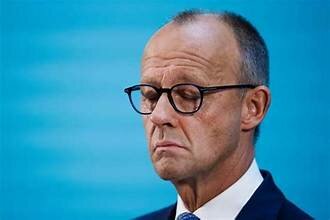
EU/ITA - La tornata elettorale tedesca di domenica 20 settembre 2026 ha scosso il panorama politico della Germania, consegnando verdetti sorprendenti e confermando le tensioni che attraversano gli equilibri istituzionali federali e locali. Al centro dell'attenzione mediatica e politica spicca l'esito registrato nella capitale Berlino, affiancato dall'ennesima conferma della crescita dell'estrema destra di Alternative für Deutschland (AfD). Dal cancelliere Merz è giunta però la conferma che non si dimetterà e anzi punta al rilancio del suo governo federale.
Berlino volta pagina: trionfo storico per Die Linke
Il dato più dirompente del voto di domenica arriva senza dubbio da Berlino, dove si è tenuta la rinnovata elezione per l'Abgeordnetenhaus (il parlamento cittadino). Per la prima volta nella storia della metropoli, Die Linke (La Sinistra) ha sbaragliato la concorrenza trionfando con un impressionante 25,7% dei consensi, guidata dalla carismatica candidata Elif Eralp.
Un successo netto che ridisegna la mappa politica berlinese e punisce duramente i partiti tradizionali:
CDU: L'Unione Cristiano-Democratica si ferma al 18,8%, scivolando al secondo posto dopo le difficoltà e il vento contrario accumulato negli ultimi mesi.
AfD: Ottiene un significativo 16,3%, superando forze storiche come i Verdi e la SPD.
Verdi e SPD: I Verdi arretrano al 14,3%, mentre la SPD (partito storicamente radicato nella capitale) subisce un vero e proprio tracollo fermandosi al 12,1%.
Il trionfo della sinistra viene letto dagli analisti come il risultato di una forte mobilitazione giovanile e delle fasce più progressiste concentrate sui temi cruciali degli affitti e dell'emergenza casa. Ciononostante, si profila una trattativa complessa per la formazione del governo locale: Eralp non potrà governare da sola e il rebus delle alleanze richiederà inevitabilmente intese con i partiti centristi o ecologisti.
L'avanzata di AfD: forte consenso ma isolamento politico
Parallelamente al terremoto berlinese, la tornata elettorale ha confermato il trend di crescita dell'AfD in diverse aree del paese (incluso il forte risultato nel Meclemburgo-Pomerania Anteriore). Il partito di estrema destra continua a capitalizzare il malcontento sociale e raccoglie percentuali ragguardevoli — confermando il 16,3% anche nella stessa Berlino.
Tuttavia, nonostante la costante ascesa numerica alle urne, l'AfD non riuscirà a governare. Il cosiddetto Brandmauer (il "cordone sanitario" politico) eretto da tutte le altre forze costituzionali tedesche rimane rigidamente invalicabile. Nessun partito dell'arco costituzionale è disposto ad aprire a coalizioni o accordi di governo con l'estrema destra, lasciandola confinata a un ruolo di opposizione parlamentare ma di fatto totalmente isolata dai tavoli decisionali ed esecutivi.
Un quadro federale in ebollizione
Il voto del 20 settembre 2026 rappresenta un'occasione di riflessione per i partiti di governo a livello federale, evidenziando una frammentazione sempre più marcata dell'elettorato tedesco. Il cancelliere Merz ha riconosciuto i pessimi esiti per la CDU nelle tornate locali ma ha anche ribadito che andrà avanti alla guida del governo. Va rilevato che sono elezioni berlinesi e nelle regioni orientali. Sta ai partiti di governo cercare di allontanare le insidie, seppur circoscritte a specifiche aree del Paese, con nuovo slancio in base al programma della coalizione CDU/CSU-SPD che sostiene Merz dal 6 maggio del 2025.
European Political Unit @europolitiche.it*
*Il presente testo è una sintesi di approfondimento del nostro think tank e non costituisce un articolo giornalistico