
facebook
instagram
twitter
linkedin
X
europolitiche

Sign up now to

europolitiche3

Newsletter

europolitiche

Cross-media in Italian on the policies of European institutions and governments of European Union countries

Cross-media in Italian on the policies of European institutions and governments of European Union countries

Europolitiche Launches Europa Project Week: Focus on Digital TransitionL'Europa, una storia attuale. Al via la rassegna di eventi culturaliEcco la Redazione Giovanile di Europolitiche all'Europa Project Week 2026!Europolitiche lancia "Discovering the Balkans", il nuovo progetto finanziato Erasmus+Collina d'Europa: aiutaci a far crescere la nuova biblioteca / Help us build our new libraryOctober EU Summit: A Crucial Shift in GovernanceEuropolitiche lancia Europa Project Week: dibattito sulla transizione digitalePrésidentielle 2027 en France : Glucksmann désigné candidat de la gauche sociale-démocrateEU Council Appoints Carlo Comporti as ESMA ChairPrimo Festival della Progettazione a Roma: bilancio positivoEU–China Trade Talks: Heading Toward October ConvergenceEurogroup's Balancing Act: Unity, Realism, and the October AgendaLa voix des bancs: la France et la redécouverte d'une communauté dans la rueL'Europa non si aspetta, si progetta: al via a Roma la prima edizione del Festival della ProgettazioneSpain at a Crossroads: Sánchez Re-engages and Calls Snap Elections for November 29The Architecture of Euro Debt: The Expert Debate on a European Safe AssetEurope at the UN General Assembly: Priorities, Debates, and Leadership ResponsesBerlin's Left Turn and AfD's Political Isolation: Germany's September VoteDublin Summit: Eurogroup and Ecofin Chart the CourseUrsula von der Leyen and the State of the UnionVon der Leyen’s 2026 SOTEU Between Strategic Sovereignty and Social CohesionThe Parliament on a Razor's Edge: Sweden Chooses a Cautious TurnSovereignty and Growth: Driving Europe's Green Transition in Global GeopoliticsECB Rate Hike on September 10 Despite RisksMille giorni per rifare l’Europa: alla Sapienza nasce la sfida del nuovo processo costituenteBelgrade and the European Path: Reflections Following the Burial of Ratko MladićThe Shadow of Eastern Discontent and the Resilience of German Democratic ArchitectureThe Great Turning Point: Europe’s Electoral Map from 2026 to 2027EU Growth Momentum and Moderate Convergence in the Q2 2026 ExpansionBurnham's Blueprint: Resetting Britain’s National CourseGeopolitics, Power, and European Integration: Analyzing Mario Draghi's New BookIceland Puts the Brakes on Europe, but Its Cities Choose Pro-European PragmatismThe Kiev Summit and the Coalition of the Willing in Support of UkraineThe Rhine Group: Mario Draghi’s new vector for European policy executionL'Europa in viaggio. Storia di ponti e di muri. Recensione del libro di Marco Magnone
europolitiche

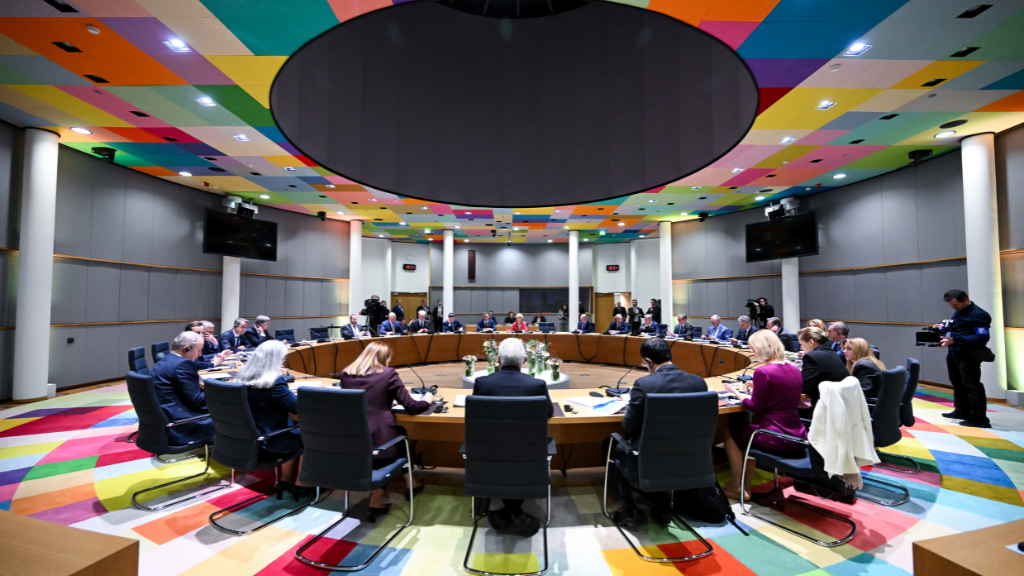
Informal meeting of the members of the European Council

24-01-2026 16:19

Europolitiche

Europolitiche, Macro/Scenari, consiglio-europeo-straordinario-del-22-gennaio-2026, the-january-22-summit-lasted-late-into-the-night-and-was-held-despite-trumps-reconsideration-announc, macron-e-sanchez, january-22-2026, groenlandia-e-danimarca, trump-a-davos, riuniti-i-27-leader-ue-il-22-gennaio-2026,

Informal meeting of the members of the European Council

Nella serata del 22 gennaio segnale politico di resilienza dei leader UE rispetto allo stress a cui sono stati sottoposti a Davos i rapporti transatlantici

EU/ENG - The extraordinary European Council on transatlantic relations was held on Thursday evening, convened at a time of heightened tension between the EU and the United States over the Greenland issue. The January 22 summit lasted late into the night and was held despite Trump's reconsideration announced at the Davos Forum regarding new tariffs imposed on several European countries that disagreed with a proposed US annexation of the Arctic Peninsula. The leaders' decision to forgo the Davos bilateral meetings in favor of a common position was seen as a sign of EU leaders' resilience in the face of the strain on relations with the White House at Davos. Summit participants agreed to strengthen European unity.

Among European leaders, French President Macron and Spanish Prime Minister Sánchez emphasized this week the need to strengthen European assertiveness in ongoing international dossiers. On the transatlantic front, Commission President Ursula von der Leyen mediated between the Council's differing positions, calling for the avoidance of, in her words, an "escalation" with Washington. However, von der Leyen reaffirmed several key points: "unequivocal solidarity with Greenland and Denmark"; support "for the six states threatened with tariffs"; and preparation of "trade countermeasures and non-tariff instruments" in the event that tariffs were applied to EU member states.
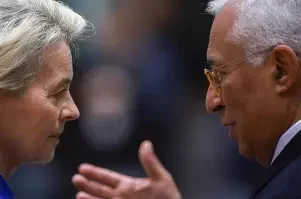
von-der-leyne-e-costa.webp

EU/ITA - Si è tenuto giovedi sera il Consiglio europeo straordinario sulle relazioni transatlantiche, convocato in un momento di forte tensione tra Ue e Stati Uniti legate alla questione groenlandese. Questo vertice del 22 gennaio si è protratto fino a tarda notte e si è svolto nonostante il ripensamento annunciato al Forum di Davos di Trump sui nuovi dazi a carico di diversi Paesi europei in dissenso con una ventilata annessione statunitense della penisola artica. La decisione dei leader di rinunciare ai bilaterali di Davos per privilegiare una posizione comune è stata letta come un segnale di resilienza dei leader UE rispetto allo stress a cui sono stati sottoposti a Davos i rapporti con la Casa Bianca. I partecipanti al vertice si sono ritrovati concordi nel rafforzare la compattezza europea.

Tra i leader europei, il presidente francese Macron e il primo ministro spagnolo Sanchez hanno maggiormente insistito in settimana sul dare maggiore consistenza ad una assertività europea nei dossier internazionali aperti. Sul fronte dei rapporti transatlantici, la presidente della Commissione Ursula von der Leyen (nella foto in alto con il Presidente del Consiglio Ue Costa) ha mediato tra le diverse posizioni al Consiglio, richiamando a evitare, a suo dire, una “escalation” con Washington. La von der Leyen ha confermato però alcuni punti fermi: ”inequivocabile solidarietà a Groenlandia e Danimarca"; sostegno “ai sei Stati minacciati di dazi”; preparazione di “contromisure commerciali e strumenti non tariffari” nel caso in cui fossero applicati dazi a Paesi UE.


analisti associati @europolitiche.it*


This contribution is not a journalistic article but an analytical brief - Questo contributo non è un articolo giornalistico ma un brief analitico



facebook
instagram
twitter
linkedin
whatsapp
X

WEBSITE CREATED BY Q DIGITALY

©2021-2025 di Europolitiche.it