


EU/ENG - In the tense silence of a dawn that sees American aircraft carriers cruising perilously off the Strait of Hormuz, the European Union is attempting to play its most difficult card: that of "strategic autonomy" to avert total war. While the Trump administration threatens to strike Iranian energy infrastructure unless the naval blockade is lifted within days, Brussels' diplomatic channels are working feverishly to translate the current lull in fighting into a lasting agreement.
This effort found its most vivid expression at the Élysée summit on April 17, where the consolidation of the "E4" diplomatic format saw France, the United Kingdom, Italy, and Germany converge in Paris to launch a "Coalition of the Willing," planning a naval mission to serve as a shield for global trade.
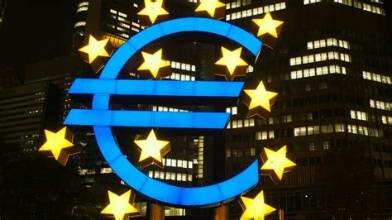
Against this backdrop, High Representative Kaja Kallas, operating from the EEAS headquarters at Rond-point Schuman (pictured), is striving to preserve the Union's fragile unity through a decisive proposal.
The European Commission’s Blueprint for Technical De-escalation
The plan currently on Kallas's desk as of April 20 outlines a "technical de-escalation" strategy. Under this framework, should Tehran choose to consider the option, it could reopen the Strait of Hormuz to merchant traffic in exchange for a targeted easing of sanctions on humanitarian goods and medicines.
Though Iran has so far boycotted the Pakistan-mediated talks, the question remains: will they leave a door open to Brussels? Tehran's negotiators are well aware that the European Union represents a vital diplomatic channel—one that could help prevent the systematic destruction of their national power grid, currently under threat from the Trump administration.
Brussels’ Soft Power in the Crucible of War
The European front has never been so politically polarized. The European People’s Party (EPP) has adopted a stance of absolute resolve, pressuring EU institutions to pivot from diplomacy to direct action. The EPP has placed the necessity of "immediately increasing pressure on the Iranian regime" at the top of its agenda, branding the blockade an existential threat to the EU economy. Manfred Weber and other EPP leaders have called for a more assertive European naval mission, emphasizing that "freedom of navigation is non-negotiable."
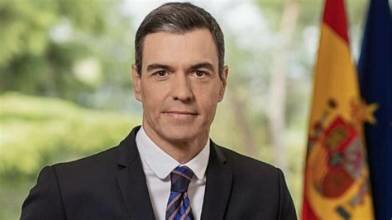
In stark contrast, the Party of European Socialists (PES) has forcefully reaffirmed its "Declaration on the Middle East," acting as a bulwark for the Union’s more cautious factions. Spearheaded by Spanish Prime Minister Pedro Sánchez—who has already denied the use of national bases for offensive operations against Iran—European socialists have sent an unequivocal message: "No state is above international law." For the PES, the exit strategy lies not with fighter-bombers, but in the strengthening of the EU naval mission Aspides. They envision it as a neutral escort rather than a strike force, ensuring the flow of crude oil without igniting a regional conflagration.
The Shadow of Trump and Netanyahu
Nevertheless, the atmosphere remains incendiary. Reports leaking from Mar-a-Lago suggest an imminent attack plan against Tehran’s enrichment sites should European mediation falter. Israel, for its part, views the "bridge-builders" of Brussels with deep suspicion. The Netanyahu government fears that any diplomatic concession will be exploited by the Revolutionary Guard to complete the "final mile" toward nuclear capability—especially as recent raids have only dented, rather than neutralized, Iran’s ballistic capacity.
A Race Against Collapse: The Economic and Humanitarian Stakes
The urgency is dictated by the ledger. With oil prices fluctuating just below $100, European economies are beginning to show structural fractures. Yet, it is the alarm raised by NGOs that weighs heaviest on Brussels' conscience: over 40,000 civilians are trapped in crisis zones, and public pressure is mounting on national leaders to ensure that aid does not become political bartering chips.
"Europe cannot be the destination for refugees from a war it did not want," warned a diplomatic source in Luxembourg. The challenge today is to prove that Brussels’ soft power, and the legal firmness invoked by its institutions, can exert a significant pro-peace influence on the high-stakes negotiations currently unfolding between the United States and Iran in Pakistan.
Associated analysts @europolitiche.it*
*This text is a think tank note and is not a journalistic article.

EU/ITA - Nel silenzio teso di un’alba che vede le portaerei americane incrociare pericolosamente al largo dello Stretto di Hormuz, l’Unione Europea prova a giocare la sua carta più difficile: quella della "autonomia strategica" per sventare il conflitto totale. Mentre l'amministrazione Trump minaccia di colpire le infrastrutture energetiche iraniane se il blocco navale non verrà rimosso entro pochi giorni, i canali diplomatici di Bruxelles lavorano febbrilmente per trasformare la pausa dei combattimenti in un accordo duraturo.
Questo sforzo ha trovato la sua massima espressione plastica nel vertice dell'Eliseo dello scorso 17 aprile, dove il consolidamento del formato diplomatico E4 ha visto Francia, Regno Unito, Italia e Germania convergere a Parigi per dare vita a una "coalizione dei volenterosi", con la pianificazione di una missione navale che funga da scudo per il commercio globale.
In questo scenario, l’Alto Rappresentante Kaja Kallas, operando dal quartier generale del SEAE in Rond-point Schuman (nella foto), sta tentando di preservare la fragile unità dell’Unione attraverso una proposta.
La de-escaltion tecnica proposta dalla Commissione europea
Il piano sul tavolo di Kaja Kallas, al 20 aprile, prevede una proposta di “de-escalation tecnica” grazie alla quale Teheran, nel caso volesse considerare questa opzione, potrebbe riaprire Hormuz al traffico mercantile in cambio di un alleggerimento mirato delle sanzioni sui beni umanitari e i medicinali.
L’Iran, pur avendo disertato i colloqui mediati dal Pakistan, lasceranno, c'è da chiedersi, una porta aperta proprio a Bruxelles?.
I negoziatori di Teheran sanno bene che l'Unione europea è una sponda che può contribuire ad evitare la distruzione sistematica della propria rete elettrica, minacciata da Trump.
Il ruolo del "soft power" di Bruxelles in questa guerra
Il fronte europeo non è mai stato così politicamente connotato.
Il Partito Popolare Europeo (PPE) in relazione alla crisi dello Stretto di Hormuz ha ufficializzato una linea di fermezza assoluta, premendo sulle istituzioni europee affinché passassero dalla diplomazia all'azione diretta. Il PPE ha inserito nella sua agenda politica la necessità di "aumentare subito la pressione sul regime iraniano".definendo il blocco dello Stretto come una minaccia esistenziale per l'economia dell'UE. Manfred Weber e altri leader del PPE hanno chiesto una missione navale europea più incisiva, sottolineando che "la libertà di navigazione non è negoziabile".
Il Partito del Socialismo Europeo (PSE) ha ribadito con forza la sua "Dichiarazione sul Medio Oriente", ergendosi a scudo delle posizioni più prudenti all'interno dell'Unione. Sotto la spinta del premier spagnolo Pedro Sánchez — che ha già negato l’uso delle basi nazionali per operazioni offensive contro l’Iran — i socialisti europei hanno lanciato un messaggio inequivocabile: «Nessuno Stato è al di sopra del diritto internazionale». Per i socialisti, la via d'uscita non passa dai cacciabombardieri, ma dal rafforzamento della missione navale UE Aspides, intesa come scorta neutrale e non come forza d'urto, per garantire che il greggio continui a fluire senza innescare una guerra regionale.
Cosa faranno Trump e Netanyahu?
Il clima resta però incendiario. Da Mar-a-Lago filtrano indiscrezioni su un piano d’attacco imminente contro i siti di arricchimento di Teheran, qualora la mediazione europea dovesse fallire. Israele, dal canto suo, osserva con diffidenza i "pontieri" di Bruxelles. Il governo Netanyahu teme che ogni concessione diplomatica possa essere usata dal regime dei pasdaran per completare l'ultimo miglio verso l'arma atomica, specialmente dopo che i recenti raid hanno solo scalfito, ma non annientato, le capacità balistiche iraniane.
L'urgenza di fermare il conflitto; crisi economica e umanitaria da scongiurare
Sullo sfondo, l'urgenza è dettata dai numeri. Con il petrolio che fluttua poco sotto i 100 dollari, le economie europee iniziano a mostrare le prime crepe. Ma è il grido d'allarme delle ong a pesare sulla coscienza di Bruxelles: oltre 40.000 civili sono coinvolti nelle aree di crisi, e nelle opinioni pubbliche dei Paesi Ue cresce la pressione sui leader nazionali affinchè si adoperino perchè gli aiuti non diventino merce di scambio politica.
«L'Europa non può essere il terminale dei profughi di una guerra che non ha voluto», ha avvertito una fonte diplomatica a Lussemburgo. La sfida di oggi è dimostrare che il soft power di Bruxelles e la fermezza del diritto internazionale invocata dalle istituzioni europee possono almeno avere una significativa influenza pro-pace sulle trattative in corso in Pakistan fra Stati Uniti ed Iran.
analisti associati @europolitiche.it*
*This text is a think tank note and is not a journalistic article.- Questo testo è una nota del think tank e non è un articolo giornalistico