


EU/FRA - La disparition de Jacques Delors, survenue le 27 décembre à Paris, a résonné avec une force particulière à la fin d'une année 2023 marquée par les prémices d'un examen électoral continental décisif. Alors que les moteurs se réchauffent pour des élections européennes appelées à redéfinir les équilibres de l'Union, la perte de celui qui fut l'architecte en chef de notre maison commune rappelle l'urgence de préserver la solidité des institutions pour lesquelles Delors a consacré toute sa vie politique active.
Parmi les pères les plus influents de l'intégration européenne, sa disparition a rassemblé, dans un élan de mémoire et unanime cordon de respect, les forces politiques et civiles les plus vives de l'Union. Nombreux sont ceux qui, ces dernières années, ont souligné son exemple unique : une synthèse parfaite entre une tension unitaire idéaliste et un pragmatisme institutionnel rigoureux.
Pendant une décennie entière, de janvier 1985 à janvier 1995, Jacques Delors a présidé la Commission européenne, enchaînant trois mandats consécutifs — un fait resté unique dans l'histoire de l'Union. Socialiste et chrétien, Delors fut un président doté d'un charisme et d'une énergie hors du commun, capable de renforcer considérablement le rôle et l'influence politique de la Commission. Grand médiateur au service de l'unité du continent, c'est sous sa direction audacieuse que le grand marché unique a vu le jour, que les accords de Schengen ont été signés et, surtout, que fut conclu le traité de Maastricht, acte de naissance de l'Union européenne et de la monnaie unique, l'Euro.
Un patrimoine d'idées qui continue de vivre à travers l'Institut Jacques Delors à Paris, le prestigieux think tank fondé par le chercheur d'Europe et aujourd'hui présidé par l'Italien Enrico Letta. Ce passage de témoin idéal représente un pont solide entre Paris et Rome, unissant la vision historique de Delors à l'engagement envers les réformes nécessaires pour l'Europe du XXIe siècle.
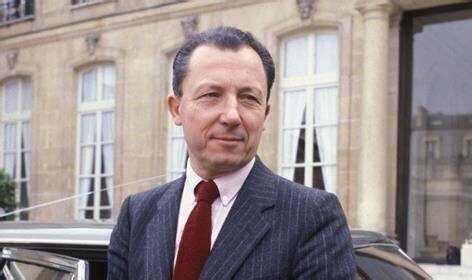
EU/ENG - The passing of Jacques Delors on December 27 in Paris resonated with particular force at the end of a 2023 that saw the engines warming up for decisive continental elections. As the European elections approach to redefine the balance of power within the Union, the loss of the chief architect of our common home recalls the urgency of preserving the stability of those institutions to which Delors dedicated his entire active political life.
Among the most influential fathers of European integration, his passing brought together, in an ideal embrace and unanimous mourning, the finest political and civic energies of the Union. Many, in recent years, have frequently highlighted his unique example: a perfect synthesis of an idealistic driving force for unity and a rigorous institutional pragmatism.
For an entire decade, from January 1985 to January 1995, Delors served as President of the European Commission, completing three consecutive terms—a feat that remains unique in the history of the Union. A socialist and a Christian, Delors was a president endowed with extraordinary charisma and energy, capable of considerably strengthening the role and political influence of the Commission. A great mediator at the service of continental unity, it was under his bold leadership that the single market was established, the Schengen Agreements were signed, and, above all, the Maastricht Treaty was concluded, marking the birth of the European Union and the single currency, the Euro.
This wealth of ideas continues to live on through the Jacques Delors Institute in Paris, the prestigious think tank founded by the statesman. This enduring institution stands as a solid bridge for continental dialogue, uniting Delors' historical vision with the commitment to the vital reforms required for 21st-century Europe.
EU/ITA - La scomparsa di Jacques Delors, avvenuta il 27 dicembre a Parigi, ha risuonato con forza particolare alla fine di un 2023 segnato dai primi fermenti di una svolta elettorale continentale decisiva. Mentre si scaldano i motori per elezioni europee chiamate a ridefinire i pesi e gli equilibri dell’Unione, la perdita di colui che fu l’architetto capo della nostra casa comune ricorda l'urgenza di preservare la tenuta di quelle istituzioni a cui Delors ha dedicato tutta la sua vita politica attiva.
Tra i padri più autorevoli e influenti dell'integrazione europea, la sua scomparsa ha chiamato a raccolta, in un ideale abbraccio e unanime cordoglio, le migliori energie politiche e civili dell’Unione. In molti, negli anni scorsi, hanno spesso sottolineato il suo esempio unico: una sintesi perfetta tra una costante tensione unitaria e un pragmatismo istituzionale rigoroso.
Per ben dieci anni, dal gennaio 1985 al gennaio 1995, Delors fu presidente della Commissione europea, svolgendo tre mandati consecutivi — un caso finora rimasto unico nella storia dell'Unione. Socialista e cattolico, Delors fu un presidente dotato di un carisma e di un'energia fuori del comune, capace di rafforzare considerevolmente il ruolo e l'influenza politica della Commissione. Grande mediatore al servizio dell'unità del continente, fu sotto la sua guida audace che venne istituito il mercato unico, furono firmati gli accordi di Schengen e, soprattutto, fu siglato il Trattato di Maastricht, atto di nascita dell'Unione europea e della moneta unica, l'Euro.
Un patrimonio di idee che continua a vivere nell'Istituto Jacques Delors di Parigi, il prestigioso think tank fondato dallo statista e oggi guidato dall'italiano Enrico Letta. Questo ideale passaggio di testimone rappresenta un ponte solido tra Parigi e Roma, unendo la visione storica di Delors all'impegno delle riforme necessarie per l'Europa del XXI secolo.
Antonio De Chiara @europolitiche.it
*This text is a think tank note and is not a journalistic article - Questo testo è una nota del think tank e non è un articolo giornalistico