


EU/ENG - The launch of the Rhine Group: Mario Draghi’s bid for a new community policy design
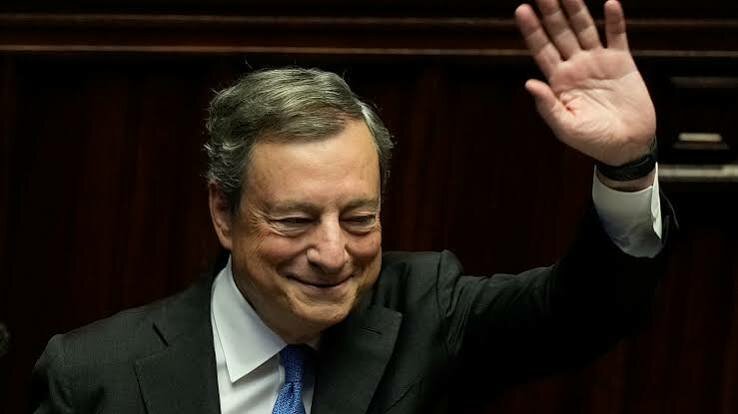
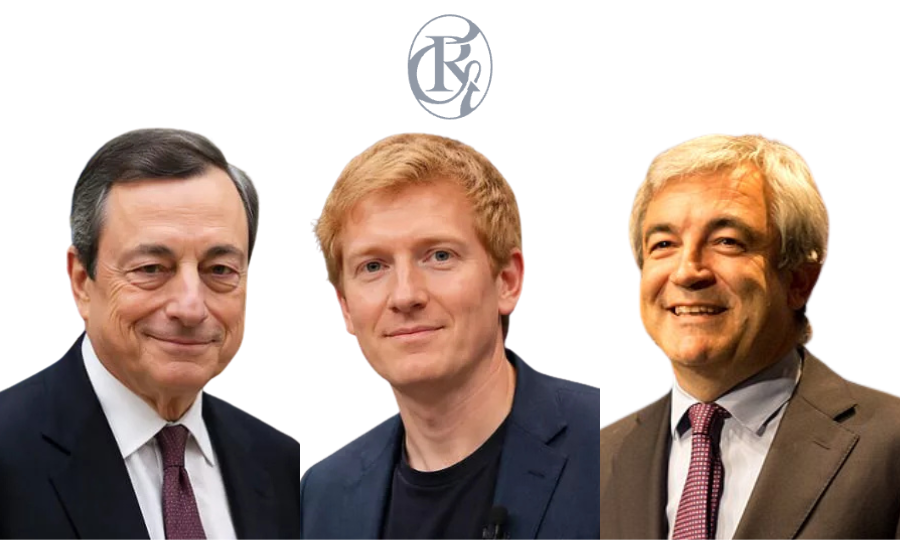
In Geneva, a new independent policy network has been launched, led by Mario Draghi, Patrick Collison, and Luis Garicano. Its stated objective is to foster decision-making effectiveness and bridge the implementation gap that accompanies community policies, operating outside traditional intergovernmental circuits.
The debate surrounding the state of the European Union’s economy has long suffered from a form of diagnostic fatigue. For years, institutional reports, white papers, and independent evaluations have repeatedly highlighted the same critical flaws: sluggish productivity growth, regulatory fragmentation, and a widening technological deficit relative to the United States and China.
Yet the problem rarely lies in the clarity or quality of the diagnoses. The true hurdle constraining European economic integration is institutional and political in nature: a decision-making process heavily anchored in intergovernmental consensus and unanimous mediation, which regularly results in a complex management of reform timelines.
It is within this context of gridlock that the Rhine Group was formally established on August 24, 2026. Structured as an independent policy and reflection network under Swiss jurisdiction and headquartered in Geneva, the initiative was launched by Mario Draghi and Stripe co-founder and CEO Patrick Collison. Its stated purpose is to translate broad strategic guidelines into targeted, actionable policy instruments. Executive direction is entrusted to economist and former MEP Luis Garicano.
A hybrid governance spanning public policy, economics, and continental technological sovereignty.
The leadership structure reflects a deliberate synthesis of three traditionally distinct spheres: state governance, corporate technological drive, and academic research.
Mario Draghi: Former President of the European Central Bank (2011–2019) and Prime Minister of Italy (2021–2022), he authored the landmark 2024 Competitiveness Report for the European Commission, laying the conceptual groundwork for the continent’s strategic and industrial pivot.
Patrick Collison: An Irish entrepreneur, programmer, and co-founder of the digital payments giant Stripe, he embodies the innovation-driven business component, committed to leveraging rapid, scalable approaches to address Europe’s structural lags.
Luis Garicano: An internationally renowned economist and professor at the London School of Economics, he specializes in organizational economics and innovation. Formerly vice-president of the Renew Europe group in the European Parliament, he bridges rigorous academic research with hands-on policy design.
Tackling the "delivery gap" outside Brussels
The network’s operational focus—bringing together roughly sixty prominent figures, including academics, public policy experts, and international stakeholders—centers explicitly on the so-called "delivery gap" (implementation gap). This is the systemic friction that prevents strategic guidelines, such as those outlined by Draghi in 2024, from being successfully and timely transposed into national legislation and agendas.
Operating from Geneva outside the formal machinery ofⵓ the Council and the Commission serves a precise tactical purpose: insulating technical reflection from the contingencies of national electoral cycles and daily diplomatic haggling. The network's digital portal is accessible at www.rhinegroup.eu.
Not just pragmatism: the challenge of cohesion
From a political science perspective, the Rhine Group embodies a form of functionalist pragmatism aimed at forging direct operational shortcuts between analytical excellence and real decision-making centers. Like any high-level external and informal body backed by high-ranking sector leaders, its effectiveness and impact will depend on whether it avoids becoming a purely technocratic cenacle focused solely on macroeconomic competitiveness: its ultimate viability rests on its capacity to organically integrate the demands of social cohesion and labor quality into its programmatic framework—indispensable variables for ensuring the political sustainability of any structural reform within the Union.
European Cultural Unit @europolitiche.it*
*This contribution is a think tank policy review and is not a journalistic article.
EU/FRA - Le lancement du Rhine Group : le pari de Mario Draghi pour un nouveau design des politiques communautaires
Genève abrite désormais un nouveau réseau d'action publique indépendant, dirigé par Mario Draghi, Patrick Collison et Luis Garicano. Son objectif déclaré est de stimuler l'efficacité décisionnelle et de combler le déficit de mise en œuvre qui accompagne les politiques communautaires, en évoluant en marge des circuits intergouvernementaux traditionnels.
Le débat sur la santé économique de l'Union européenne souffre depuis longtemps d'une certaine fatigue diagnostique. Depuis des années, rapports institutionnels, livres blancs et évaluations indépendantes persistent sur les mêmes maux : une croissance anémique de la productivité, la fragmentation réglementaire et un retard technologique croissant par rapport aux États-Unis et à la Chine.
Pourtant, le problème ne réside que rarement dans la clarté ou la justesse des diagnostics. Le véritable obstacle qui paralyse l'intégration économique européenne est de nature institutionnelle et politique : un processus décisionnel lourdement ancré dans le consensus intergouvernemental et la recherche de l'unanimité, qui conduit régulièrement à une gestion complexe des calendriers de réformes.
C’est dans ce contexte de blocage qu'a vu le jour, le 24 août 2026, le Rhine Group. Conçu comme un réseau indépendant de réflexion et d'orientation politique sous juridiction suisse et basé à Genève, il a été initié par Mario Draghi et par le cofondateur et PDG de Stripe, Patrick Collison. L'organisme vise à transformer de vastes orientations stratégiques en instruments politiques ciblés et opérationnels. La direction exécutive est assurée par l'économiste et ancien eurodéputé Luis Garicano.
Une gouvernance hybride entre politiques publiques, économie et souveraineté technologique continentale.
La structure dirigeante reflète une volonté délibérée de croiser trois sphères traditionnellement cloisonnées : l'expérience de gouvernement, l'impulsion technologique entrepreneuriale et la recherche universitaire.
Mario Draghi : Ancien président de la Banque centrale européenne (2011–2019) et président du Conseil italien (2021–2022), il est l'auteur du rapport de référence sur la compétitivité remis à la Commission européenne en 2024, qui a posé les jalons conceptuels du tournant stratégique et industriel du continent.
Patrick Collison : Entrepreneur, programmeur et cofondateur du géant des paiements Stripe, il incarne la composante technologique et innovante, résolument tournée vers des approches agiles et scalables pour combler les retards structurels européens.
Luis Garicano : Économiste de renom et professeur à la London School of Economics, spécialiste de l'économie organisationnelle. Ancien vice-président du groupe Renew Europe au Parlement européen, il associe une recherche académique rigoureuse à l'expérience pratique de la conception des politiques publiques (policy design).
S'attaquer au « delivery gap » hors de Bruxelles
L'activité du réseau — qui réunit une soixantaine de personnalités de premier plan, universitaires, experts et acteurs internationaux — se focalise explicitement sur le « delivery gap » (déficit attuatif). Il s'agit de cette friction systémique qui empêche les grands cadres stratégiques, tels que ceux tracés par M. Draghi en 2024, de trouver un écho effectif et rapide dans les textes législatifs et les agendas des différents États membres.
Opérer depuis Genève, à l'écart des rouages formels du Conseil et de la Commission, répond à un choix tactique précis : soustraire la réflexion technique aux aléas des calendriers électoraux nationaux et aux pesanteurs de la diplomatie quotidienne. Le portail numérique du réseau est accessible à l'adresse www.rhinegroup.eu.
Bien plus que du pragmatisme : le défi de la cohésion
D'un point de vue politologique, le Rhine Group incarne un pragmatisme fonctionnaliste visant à bâtir des ponts opérationnels directs entre l'excellence analytique et les centres de décision réels. À l'instar de toute structure informelle de haut niveau portée par des figures de premier plan, son efficacité et son rôle ne porteront leurs fruits que s'ils parviennent à ne pas se limiter à un cénacle technocratique axé uniquement sur la compétitivité macroéconomique : sa pérennité dépendra de sa capacité à intégrer organiquement dans son armature programmatique les impératifs de cohésion sociale et de qualité du travail — des variables indispensables pour garantir la viabilité politique de toute réforme structurelle au sein de l'Union.
European Cultural Unit @europolitiche.it*
*Cette contribution est une note d'analyse de notre think tank et ne constitue pas un article journalistique.
EU/GER - Der Start der Rhine Group: Mario Draghis Wagnis für ein neues europäisches Policy-Design
In Genf hat ein neues unabhängiges Policy-Netzwerk unter der Leitung von Mario Draghi, Patrick Collison und Luis Garicano seine Arbeit aufgenommen. Das erklärte Ziel ist es, die Entscheidungswirksamkeit zu fördern und die Umsetzungslücke zu überwinden, die die europäischen Politiken begleitet, und dabei außerhalb der traditionellen intergouvernementalen Bahnen zu agieren.
Die Debatte über den Zustand der europäischen Wirtschaft leidet seit langem an einer Art Diagnose-Müdigkeit. Seit Jahren betonen institutionelle Berichte, Whitepaper und unabhängige Evaluierungen stets dieselben Schwachstellen: das anämische Produktivitätswachstum, regulatorische Fragmentierung und den wachsenden technologischen Rückstand gegenüber den Vereinigten Staaten und China.
Das Problem liegt jedoch selten in der Klarheit oder der Qualität der Diagnosen. Die eigentliche Hürde, die die europäische Wirtschaftsintegration bremst, ist institutioneller und politischer Natur: ein Entscheidungsprozess, der stark im intergouvernementalen Konsens und der Einstimmigkeits-Mediation verankert ist und regelmäßig in eine komplexe Steuerung der Reformzeitpläne mündet.
Genau in diesem Kontext des Stillstands gründet sich die am 24. August 2026 offiziell vorgestellte Rhine Group. Als unabhängiges Think- und Policy-Netzwerk unter Schweizer Jurisdiktion mit Sitz in Genf, ins Leben gerufen von Mario Draghi und dem Stripe-Mitgründer und CEO Patrick Collison, zielt das Gremium darauf ab, weitreichende strategische Konzepte in zielgerichtete, umsetzbare Politikinstrumente zu übersetzen. Die Geschäftsführung liegt beim Ökonomen und ehemaligen EU-Parlamentarier Luis Garicano.
Eine hybride Governance aus öffentlicher Politik, Wirtschaft und kontinentaler technologischer Souveränität.
Die Führungsstruktur spiegelt den bewussten Zusammenschluss von drei traditionell getrennten Bereichen wider: Regierungserfahrung, unternehmerischer Technologietrieb und akademische Forschung.
Mario Draghi: Ehemals Präsident der Europäischen Zentralbank (2011–2019) und italienischer Ministerpräsident (2021–2022), verfasste er 2024 den wegweisenden Wettbewerbsbericht für die Europäische Kommission, der das konzeptionelle Fundament für die strategische und industrielle Wende des Kontinents legte.
Patrick Collison: Ein irischer Unternehmer, Programmierer und Mitgründer des Zahlungsriesen Stripe, der die innovationsgetriebene Wirtschaftskomponente vertritt und entschlossen ist, durch schnelle, skalierbare Ansätze Europas strukturelle Defizite zu beheben.
Luis Garicano: Ein international anerkannter Ökonom und Professor an der London School of Economics, spezialisiert auf Organisationsökonomie und Innovationsforschung. Als ehemaliger Vizepräsident der Renew Europe-Fraktion im EU-Parlament verbindet er akademische Rigorosität mit praktischer Arbeit im europäischen Policy-Design.
Die „Delivery Gap“ außerhalb von Brüssel angehen
Der operative Fokus des Netzwerks – das rund sechzig Persönlichkeiten aus Wissenschaft, öffentlicher Verwaltung und internationaler Praxis versammelt – richtet sich explizit auf die sogenannte „Delivery Gap“ (Umsetzungslücke). Dabei handelt es sich um jene systemische Reibung, die verhindert, dass strategische Leitlinien, wie sie Draghi 2024 skizzierte, rechtzeitig und wirksam in nationalen Gesetzgebungen und Agenden der einzelnen Mitgliedstaaten verankert werden.
Das Arbeiten von Genf aus und fernab des formellen Maschinariums von Rat und Kommission folgt einem präzisen taktischen Kalkül: Die technische Reflexion soll den Eventualitäten nationaler Wahlzyklen und den Zwängen des täglichen diplomatischen Feilschens entzogen werden. Das digitale Portal des Netzwerks ist unter www.rhinegroup.eu erreichbar.
Nicht nur Pragmatismus: Die Herausforderung des Zusammenhalts
Aus politologischer Sicht verkörpert die Rhine Group eine Form des funktionalistischen Pragmatismus, darauf ausgerichtet, direkte operative Abkürzungen zwischen analytischer Exzellenz und realen Entscheidungszentren zu schaffen. Wie jedes externe und informelle Gremium von Rang und mit hochrangigen Initiatoren wird seine Wirksamkeit und Rolle jedoch nur dann nachhaltige Wirkung zeigen, wenn es sich nicht bloß als rein technokratischer Zirkel begreift, der ausschließlich auf makroökonomische Wettbewerbsfähigkeit ausgerichtet ist: Seine Beständigkeit hängt von der Fähigkeit ab, die Forderungen nach sozialer Kohäsion und Arbeitsqualität organisch in sein programmatisches Fundament zu integrieren – unverzichtbare Variablen zur Gewährleistung der politischen Nachhaltigkeit jeglicher Strukturreform innerhalb der Union.
European Cultural Unit @europolitiche.it*
*Dieser Beitrag ist eine Policy-Analyse unseres Think Tanks und kein journalistischer Artikel.

EU/ITA - Il lancio del Rhine Group: la scommessa di Draghi per un nuovo policy design comunitario
A Ginevra nasce un nuovo network di policy indipendente guidato da Mario Draghi, Patrick Collison e Luis Garicano. L'obiettivo dichiarato è stimolare l'efficacia decisionale e colmare il divario attuativo che accompagna le politiche comunitarie, muovendosi al di fuori dei tradizionali circuiti intergovernativi.
Il dibattito sullo stato di salute economica dell’Unione Europea soffre da tempo di una sorta di stanchezza diagnostica. Da anni, rapporti istituzionali, white paper e valutazioni indipendenti insistono sugli stessi punti critici: la crescita anemica della produttività, i colli di bottiglia normativi e il progressivo ritardo tecnologico accumulato nei confronti degli Stati Uniti e della Cina.
Il problema, tuttavia, raramente risiede nella qualità o nella chiarezza delle diagnosi. La vera criticità che frena l’integrazione economica europea è di natura istituzionale e politica: un processo decisionale fortemente ancorato al consenso intergovernativo e alla mediazione unanime, che si traduce regolarmente in una cronica inerzia riformatrice.
È in questo contesto che si inserisce la nascita del Rhine Group, presentato formalmente il 24 agosto 2026. Strutturato come un network indipendente di riflessione e policy con sede a Ginevra e sotto giurisdizione svizzera, il gruppo nasce su iniziativa di Mario Draghi e del co-fondatore e CEO di Stripe, Patrick Collison, e propone un network di sessanta esperti, con l’obiettivo dichiarato di trasformare i grandi indirizzi strategici in strumenti politici concreti e applicabili. La direzione esecutiva è affidata all'economista ed ex europarlamentare Luis Garicano.
Una governance ibrida tra competenze di policy pubblica, economica e sovranità tecnologica continentale.
La composizione del vertice riflette l’intenzione di saldare tre sfere tradizionalmente distinte: l'esperienza di governo, la spinta tecnologica d’impresa e la ricerca accademica.
Mario Draghi: Già alla guida della Banca Centrale Europea (2011–2019) e del governo italiano (2021–2022), è autore del Rapporto sulla competitività commissionato dalla Commissione Europea nel 2024, un documento che ha tracciato il perimetro strategico per la recente agenda industriale del continente.
Patrick Collison: Imprenditore e co-fondatore di Stripe, rappresenta la componente legata all'innovazione tecnologica d'impresa, orientata a promuovere approcci rapidi e scalabili per colmare i divari strutturali europei.
Luis Garicano: Professore alla London School of Economics ed ex vicepresidente del gruppo Renew Europe al Parlamento europeo, unisce l'attività di ricerca sui temi della produttività e dell'organizzazione economica all'esperienza diretta nel policy design comunitario.
Affrontare il "delivery gap" fuori da Bruxelles
Il focus operativo del network — che riunisce circa sessanta personalità tra accademici, esperti di politiche pubbliche e attori internazionali — si concentra esplicitamente sul cosiddetto delivery gap (divario attuativo). Si tratta di quella frizione sistemica che impedisce alle linee guida strategiche, come quelle delineate dallo stesso Draghi nel 2024, di trovare un riscontro effettivo e tempestivo nei testi legislativi e nelle agende dei singoli Stati membri.
Operare da Ginevra e al di fuori dei circuiti formali del Consiglio e della Commissione risponde a una precisa scelta tattica: sottrarre la riflessione tecnica alle contingenze dei cicli elettorali nazionali e alle pressioni della trattativa diplomatica quotidiana. Le coordinate e i materiali di lavoro del gruppo sono raccolti sulla piattaforma digitale www.rhinegroup.eu.
Non solo pragmatismo: la sfida della coesione
Da una prospettiva politologica, il Rhine Group incarna una forma di pragmatismo funzionalista orientato a costruire scorciatoie operative tra l'eccellenza analitica e i centri decisionali reali. Come ogni organismo esterno ed informale di alto livello con promotori di alto rango settoriale, la sua efficacia e il suo ruolo potranno avere un impatto concreto se sapranno configurarsi non solo esclusivamente come un cenacolo tecnocratico orientato alla competitività macroeconomica: la sua tenuta dipenderà infatti dalla capacità di integrare organicamente nel proprio impianto programmatico le istanze della coesione sociale e della qualità del lavoro — variabili indispensabili per garantire la sostenibilità politica di qualsiasi riforma strutturale nell'Unione.
European Cultural Unit @europolitiche.it*
* Questo contributo è una recensione del nostro Think Tank e non è un articolo giornalistico