


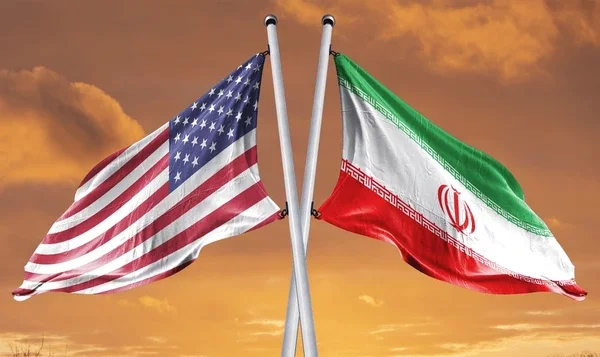
EU/ENG - The announcement on June 15, 2026, marks a definitive break from the wartime trauma that has defined the opening months of the year. The preliminary agreement between the United States and Iran, mediated by Pakistan with the support of Qatar, Saudi Arabia, and Turkey, represents not merely the cessation of hostilities across all fronts, but a concerted effort to restore a profoundly fractured global order. The "Geneva Memorandum"—awaiting formal signature on June 19—is anchored by fourteen critical points designed to defuse the crisis, mandating the reopening of the Strait of Hormuz and the lifting of the naval blockade as a prelude to a de-escalation that international markets have already begun to price in with a sense of relief.
Within this framework, the reaction from European institutions has been immediate, outlining a diplomatic trajectory that seeks to reconcile economic pragmatism with steadfast adherence to collective security values.
The narrative thread of this détente runs through the summits of European institutions, beginning in Brussels: Ursula von der Leyen, in her capacity as President of the European Commission, has welcomed the agreement as a fundamental pillar for global economic recovery. However, she underscored the necessity of ensuring that the accord does not remain an empty shell, demanding ironclad guarantees regarding the definitive end of Tehran's nuclear and ballistic ambitions. This perspective is shared by António Costa, who, as President of the European Council, has channeled the Union's hopes toward the primacy of international law, expressing the aspiration that this truce may evolve into a durable strategy for stability across the Middle East.
The awareness of what is at stake is further reflected in the positions of the continent’s major powers, where diplomatic caution is balanced by the necessity of rigorous vigilance: German Chancellor Friedrich Merz has termed the agreement a "diplomatic breakthrough," while warning that Berlin will monitor the actual dismantling of Iran's nuclear military capabilities with the utmost scrutiny—a process he views as the true indicator of Tehran's good faith. In a similar vein, Emmanuel Macron has reaffirmed France’s role in securing maritime routes, offering the technical support necessary to monitor the Strait of Hormuz and ensuring that the return to peace is not undermined by renewed instability within global transit corridors. For her part, Giorgia Meloni has reiterated that freedom of maritime navigation is the vital pulse of Italian and European economic stability, stressing that the peace process must proceed in tandem with constant vigilance against any form of nuclear rearmament.
This consensus toward diplomacy, though tempered by necessary reservations, is rooted in the pragmatic realities recognized by European leaders. While Pedro Sánchez views with relief a peace that brings an end to months of political uncertainty and social tension, it is Donald Tusk who crystallizes the economic challenge: for Poland and the rest of Europe, the stabilization of energy markets—consequent to the reopening of maritime routes—is the essential prerequisite for restoring vitality to businesses and purchasing power to households, finally transforming an horizon of crisis into one of recovery.
Global Political Unit @europolitiche.it*
*This text is a think tank note and is not a journalistic article
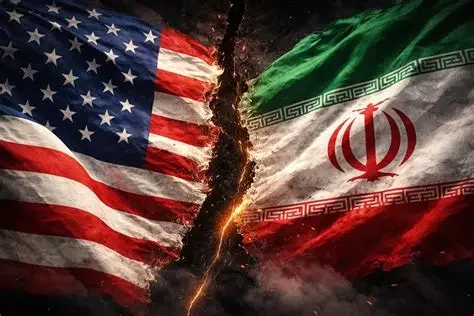
EU/ITA - L'annuncio del 15 giugno 2026 segna un punto di rottura netto con il trauma bellico che ha dominato i primi mesi dell'anno. L'intesa preliminare tra Stati Uniti e Iran, mediata dal Pakistan con il sostegno di Qatar, Arabia Saudita e Turchia, non rappresenta soltanto la fine delle ostilità militari su tutti i fronti, ma il tentativo di ripristinare un ordine globale fortemente compromesso. Il "Memorandum di Ginevra" — che attende la firma ufficiale prevista per il 19 giugno — si articola su quattordici punti nevralgici che mirano a disinnescare la crisi, imponendo la riapertura dello Stretto di Hormuz e la revoca del blocco navale come preludio a una de-escalation che i mercati internazionali hanno già iniziato a scontare con sollievo.
In questo quadro, la reazione delle istituzioni europee è stata immediata, delineando una traiettoria diplomatica che cerca di coniugare il pragmatismo economico con la fermezza sui valori di sicurezza collettiva.
Il filo narrativo di questa distensione attraversa i vertici delle istituzioni europee, partendo dai vertici di Bruxelles: Ursula von der Leyen, in qualità di Presidente della Commissione Europea, ha accolto l'accordo come un pilastro fondamentale per il ripristino dell'economia globale, ponendo tuttavia l'accento sulla necessità che l'intesa non resti un guscio vuoto, richiedendo garanzie ferree sulla fine delle ambizioni nucleari e balistiche di Teheran. Una visione condivisa da António Costa, il quale, come Presidente del Consiglio Europeo, ha incanalato le speranze dell'Unione verso il primato del diritto internazionale, auspicando che la tregua si trasformi in una strategia duratura per la stabilità mediorientale.
La consapevolezza della posta in gioco si riflette poi nelle posizioni delle grandi potenze continentali, dove la cautela diplomatica convive con la necessità di una vigilanza rigorosa: Friedrich Merz, cancelliere tedesco, ha definito l'intesa una "svolta diplomatica", pur avvertendo che Berlino monitorerà con estrema attenzione l'effettivo smantellamento delle capacità militari nucleari iraniane, un passaggio che ritiene il vero indicatore della buona fede di Teheran. Sulla stessa lunghezza d'onda, Emmanuel Macron ha rilanciato il ruolo della Francia nel garantire la sicurezza delle rotte marittime, offrendo il supporto tecnico necessario per presidiare lo Stretto di Hormuz e garantendo che il ritorno alla pace non sia minato da nuove instabilità nei corridoi del transito globale. Giorgia Meloni, dal canto suo, ha ribadito come la libertà di transito marittimo sia il cuore pulsante della stabilità economica italiana ed europea, sottolineando che il processo di pace deve procedere in parallelo con una sorveglianza costante contro ogni forma di riarmo nucleare.
Questo consenso verso la diplomazia, pur con le dovute riserve, trova le sue ragioni nelle ricadute pragmatiche che i leader europei hanno ben presenti. Mentre Pedro Sánchez guarda con sollievo a una pace che pone fine a mesi di incertezza politica e tensioni sociali, è Donald Tusk a sintetizzare la sfida economica: per la Polonia e per il resto dell'Europa, la stabilizzazione dei mercati energetici — conseguente alla riapertura delle rotte marittime — è la condizione essenziale per restituire ossigeno alle imprese e potere d'acquisto alle famiglie, trasformando finalmente l'orizzonte di crisi in una prospettiva di ripresa.
Global Political Unit @europolitiche.it*
*This text is a think tank note and is not a journalistic article - Questo testo è una nota del think tank e non è un articolo giornalistico