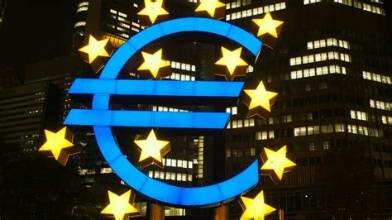




EU/ENG - The debate this spring of 2026 over the economic future of the euro area is clearly reflected in the latest assessments from national central bank governors. The discussions take place against a challenging backdrop, with inflation lingering at 2.6 per cent—heavily weighed down by geopolitical tensions in the Gulf—and the broader recovery remaining fragile.
Nagel: Managing supply risks and the limits of monetary defense
For its part, the Bundesbank, under the stewardship of Joachim Nagel, continues to view the macroeconomic landscape through the lens of strict vigilance against supply-side disruptions. This rigorous stance emerged forcefully both in his keynote speech on April 22, 2026, in Brussels, and in subsequent interviews in mid-May commenting on the German central bank’s Monthly Report. Mr Nagel emphasizes that current geopolitical risks, starting with the blockade of trade routes in the Gulf, threaten to damp the GDP outlook for the second quarter of the year. Maintaining a hawkish line that does not rule out further rate hikes should energy cost pressures trigger a wage-price spiral, the German position reflects deep concern over the potential unanchoring of inflation expectations. Yet, even the Bundesbank’s push to accelerate the digital euro—with a call for legislative closure by the end of 2026—demonstrates that monetary stability itself now requires robust, independent public infrastructure to protect European payment autonomy and prevent market failures arising from foreign tech monopolies.

Villeroy: Mobilizing savings to counter the competitiveness deficit
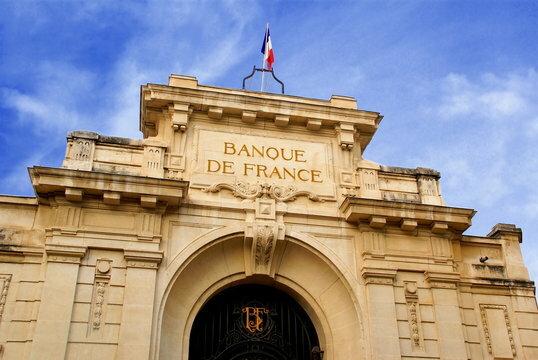
The perspective from the Banque de France was clearly articulated in the keynote speech delivered by Governor François Villeroy de Galhau at the Eurofi Forum on March 27, 2026, and later reaffirmed in his macroeconomic statements on June 1, 2026, following the cyclical slowdown in European GDP. The Parisian view highlights the risk of Europe’s progressive competitive slide against global peers like the United States and China. Noting that the continent's potential growth has halved, Mr Villeroy looks beyond mere public debt reduction—which he views as a suffocating factor due to the heavy burden of current interest payments. Instead, he urges the channeling of Europe’s vast pool of private savings into the productive economy through a Savings and Investment Union. This reflects a clear understanding that in fragmented financial markets, the state must act as an effective regulator and facilitator to ensure that corporate investment demand meets an adequate supply of capital.
Panetta: The primacy of public investment and EU policy coordination
In his annual address (Considerazioni Finali) delivered in Rome at the end of May, the Governor of the Bank of Italy, Fabio Panetta, outlined a trajectory that implicitly recognizes that monetary stability cannot exist in a vacuum of sustained growth. Rejecting rigid, pre-committed paths for interest rates, Mr Panetta warned that indiscriminate monetary tightening to combat supply-side, energy-driven inflation—rather than demand-driven overheating—would merely suppress consumer spending and dent productivity. The Italian call for a European "safe asset" (a common sovereign debt instrument) directly addresses the need to finance the green and digital transitions via a centralized fiscal capacity—the only viable engine to stabilize the economy when national budgets are constrained by rigid fiscal rules.
Conclusion: Balancing stability and employment
A comparative analysis of these three central bank perspectives reveals that, while respecting differing institutional mandates, the Eurozone's core challenge in 2026 lies in striking the correct policy mix between price stability and economic support. The sharpest division separates the Italian and German camps over the nature of inflation and interest rates; while the more demand-supportive view from the Bank of Italy warns that raising borrowing costs to cure "imported" inflation risks inflicting unnecessary damage on employment and real wages, the Bundesbank prioritizes the immediate defense of the currency over the protection of the economic cycle.
Furthermore, a distinction emerges regarding public versus private capital. While the Banque de France sees the unlocking of private capital as the key to reviving growth without straining exhausted national balance sheets, the Italian approach stresses that profound macroeconomic shocks require a common fiscal capacity. Crucially, these two views are complementary, as public regulatory frameworks must instill the stability and confidence necessary for private capital to reinvest with conviction.
Ultimately, a strategic convergence emerges from this debate, as none of the governors believes that the market alone can resolve Europe’s competitiveness crisis. Whether through a federal investment instrument such as Mr Panetta's safe asset, or a public technological infrastructure like the digital euro backed by Mr Nagel, there is a shared recognition that the future of the single currency depends on the ability of public institutions to actively manage the economy rather than be passively managed by it.
analisti associati @euroeconomie.it*
*This text is a think tank note and is not a journalistic article
EU/ITA - Il dibattito di questa primavera del 2026 sul futuro economico dell'area euro si riflette nelle considerazioni dei governatori delle banche centrali nazionali. Con un'inflazione al 2,6% che risente pesantemente delle tensioni geopolitiche nel Golfo e una ripresa ancora debole.
Panetta: il primato degli investimenti pubblici e il coordinamento delle politiche comunitarie
Nelle sue Considerazioni Finali lette a Roma alla fine di maggio, il Governatore della Banca d'Italia Fabio Panetta ha tracciato una rotta che riconosce implicitamente come la stabilità non possa esistere senza una crescita sostenuta. Rifiutando automatismi rigidi sui tassi d'interesse, Panetta ha ricordato che una stretta monetaria indiscriminata per colpire un'inflazione causata dai costi energetici – e non da un eccesso di domanda – finirebbe solo per soffocare i consumi e deprimere la produttività. La richiesta italiana di creare un safe asset (un titolo sovrano comune europeo) risponde proprio alla necessità di finanziare le transizioni ecologica e digitale attraverso una politica fiscale centrale, l'unico vero motore capace di stabilizzare l'economia quando i bilanci dei singoli Stati sono frenati da vincoli anelastici.
Villeroy: la mobilitazione del risparmio e il contrasto al deficit di competitività
La prospettiva espressa dalla Banque de France si è delineata chiaramente già nel discorso programmatico pronunciato dal Governatore François Villeroy de Galhau al Forum Eurofi il 27 marzo 2026, e ribadita nelle sue dichiarazioni macroeconomiche del 1° giugno 2026, rilasciate a commento della frenata congiunturale del PIL europeo. La visione parigina mette a fuoco il rischio di un progressivo scivolamento competitivo dell'Europa di fronte a colossi come Stati Uniti e Cina. Evidenziando il dimezzamento della crescita potenziale del continente, Villeroy non si limita a invocare il rientro del debito pubblico – che considera un fattore di soffocamento a causa dell'alto peso degli interessi correnti – ma esorta a canalizzare l'imponente massa di risparmio privato verso il circuito produttivo attraverso un'Unione dei Risparmi e degli Investimenti. È la consapevolezza che, in presenza di mercati finanziari frammentati, lo Stato debba farsi regolatore e facilitatore per garantire che la domanda di investimenti delle imprese trovi un'adeguata offerta di capitali.
Nagel: la gestione dei rischi di offerta e il nodo della stabilità monetaria
Dal canto suo, la Bundesbank guidata da Joachim Nagel continua a interpretare il quadro macroeconomico attraverso la lente della massima vigilanza contro gli shock dal lato dell'offerta. Una postura rigorosa emersa con forza sia nel Keynote Speech del 22 aprile 2026 a Bruxelles sia nelle successive interviste rilasciate a metà maggio a commento del Bollettino Mensile della banca centrale tedesca. Nagel evidenzia come i rischi geopolitici attuali, a partire dal blocco delle rotte commerciali nel Golfo, rischino di condizionare negativamente l'outlook sul PIL per il secondo trimestre dell'anno. Esprimendo una linea severa che non esclude nuovi rialzi dei tassi qualora le tensioni sui costi energetici alimentino una spirale prezzi-salari, la posizione tedesca riflette il timore che le aspettative di inflazione possano disancorarsi. Tuttavia, anche la spinta della Bundesbank verso l'accelerazione dell'Euro digitale – per cui si chiede una chiusura legislativa entro la fine del 2026 – dimostra come la stessa stabilità monetaria necessiti oggi di un'infrastruttura pubblica forte e indipendente per proteggere l'autonomia dei pagamenti europei e prevenire fallimenti di mercato causati da monopoli tecnologici esterni.
Conclusioni: Verso una sintesi per la stabilità e l'occupazione
L'analisi comparata delle tre visioni dei banchieri centrali rivela che, pur nel rispetto delle differenti sensibilità istituzionali, la vera sfida dell'Eurozona nel 2026 risiede nel trovare il giusto mix tra stabilità dei prezzi e sostegno all'attività economica. Il distinguo più profondo separa la sponda italiana da quella tedesca proprio sulla natura dell'inflazione e sulla gestione dei tassi. Laddove la visione più vicina al sostegno della domanda espressa da Bankitalia avverte che aumentare il costo del denaro per curare un'inflazione importata dai costi energetici rischia di colpire inutilmente l'occupazione e i salari reali, la Bundesbank teme maggiormente gli effetti di secondo round e antepone la difesa immediata della moneta alla protezione del ciclo economico.
Inoltre, emerge una chiara distinzione anche sul ruolo del capitale pubblico e di quello privato. Mentre la Banque de France individua nello sblocco dei capitali privati la chiave di volta per rilanciare la crescita senza gravare sui bilanci statali già esausti, l'approccio italiano ricorda che i grandi shock macroeconomici richiedono necessariamente una capacità fiscale comune. Si tratta tuttavia di due visioni che possono integrarsi, poiché i quadri regolamentari pubblici devono creare la stabilità e la fiducia necessarie affinché il privato torni a investire con convinzione.
In ultima analisi, il dibattito mette in luce una significativa convergenza strategica sul fatto che il mercato, da solo, non sia in grado di risolvere la crisi di competitività europea. Sia che si proponga uno strumento di investimento federale come il safe asset caldeggiato da Panetta, sia che si spinga per un'infrastruttura tecnologica pubblica come l'Euro digitale sostenuto da Nagel, l'Eurozona riconosce che il futuro della moneta unica si gioca sulla capacità delle istituzioni pubbliche di governare attivamente l'economia, anziché subirne passivamente le dinamiche.
Analisti associati @europolitiche.it*
*This text is a think tank note and is not a journalistic article - Questo testo è una nota del think tank e non è un articolo giornalistico