


Eu/FRA- Dans le paysage éditorial consacré aux destins ainsi qu’au sens historique et actuel de l’Union européenne, l’année 2023 est marquée par l’entrée magistrale de la revue Le Grand Continent au catalogue de la prestigieuse maison Gallimard, avec la publication du volume «Fractures de la guerre» sous la direction de Gilles Gressani. Cet ouvrage ambitionne de s’insérer avec autorité dans ce qui s'apparente à un tournant paradigmatique pour la pensée politique européenne contemporaine. Loin de se limiter à une simple publication académique, il se configure comme l’acte de naissance d’une nouvelle doctrine géopolitique continentale, forgée au cœur d’un Paris qui redevient le centre propulseur d’une réflexion à portée globale.
Le volume explore les lignes de faille ouvertes par l’invasion russe de l’Ukraine, interprétant le conflit non comme un épiphénomène, mais comme le détonateur d’une métamorphose structurelle de l’Union européenne. La thèse centrale, portée par une lucidité rare, acte le crépuscule définitif d’une Europe conçue exclusivement comme marché unique et espace de droit impersonnel. À travers les contributions de dirigeants politiques et d’intellectuels de premier plan — dont les voix sont entrelacées par Gressani avec une précision chirurgicale — émerge l’impératif d’une Europe placée sous le signe d’un réalisme stratégique, apte à défendre ses valeurs dans un siècle défini par la compétition entre grands blocs.
Cette inflexion réaliste ne manquera pas de susciter débats et critiques, tant de la part du courant fédéraliste de l’intégration européenne que des cercles intellectuels sceptiques face aux hypothèses de réarmement de l’Union. En dépit de ces thèses divergentes, Le Grand Continent affirme sa volonté de mobiliser des chercheurs et des protagonistes de premier ordre afin d'innerver le débat intellectuel et politique continental.
«Fractures de la guerre» incarne ainsi parfaitement la philosophie de la revue : l’idée que la géopolitique ne saurait être appréhendée sans le recours à la géographie, à la littérature, à la technique et à l’histoire. Gressani parvient à transformer la « fracture » de la guerre en un observatoire privilégié pour cartographier la nouvelle souveraineté européenne, laquelle doit désormais assumer la maîtrise des chaînes de valeur, de la transition énergétique et de la défense commune. L’œuvre constitue donc une invitation à penser l’Europe comme un «grand continent» conscient de sa destinée historique — une communauté qui, au paroxysme de sa vulnérabilité, est appelée à redécouvrir son unité par une créativité politique audacieuse et une vision de long terme.

EU/ITA - Nel panorama editoriale sul dibattito relativo ai destini e al senso storico e attuale dell'Unione europea, spicca nel 2023 l'’esordio editoriale in cartaceo della rivista Le Grand Continent presso la prestigiosa casa editrice Gallimard, con il volume "Fractures de la guerre" (in alto nell'immagine) sotto la direzione di Gilles Gressani. Il numero della rivista ambisce a introdursi autorevolmente in un momento di svolta fondamentale per il pensiero politico europeo contemporaneo. Quest'opera non rappresenta soltanto una pubblicazione accademica, ma si configura come l'atto di nascita di una nuova dottrina geopolitica continentale, concepita nel cuore di una Parigi che torna a essere centro propulsore di una riflessione globale.
Il volume si muove lungo le linee di faglia prodotte dall'invasione russa dell'Ucraina, interpretando il conflitto non come un evento isolato, ma come il detonatore di una metamorfosi strutturale dell'Unione Europea. La tesi centrale, sostenuta con una lucidità rara, sancisce il tramonto definitivo dell'Europa intesa esclusivamente come mercato unico e spazio di diritto impersonale. Attraverso i contributi di leader politici e intellettuali di primo piano — le cui voci vengono intrecciate da Gressani con precisione chirurgica — emerge l'imperativo di un'Europa all'insegna di un realismo strategico capace di difendere i propri valori in un secolo segnato dalla competizione tra grandi blocchi. L'accentuazione di questa intonazione realista non mancherà di suscitare dibattito e critica dal fronte più marcatamente federale degli studiosi d'integrazione europea. Nonchè dal fronte intellettuale scettico su ipotesi di riarmo dell'Unione. A dispetto di questi tesi opposte al tono generale dell'esordio della rivista, da Le Grand Continent avvertono che saranno in campo studiosi e portagonisti di primo piano nel dibattito intellettual-politico continentale.
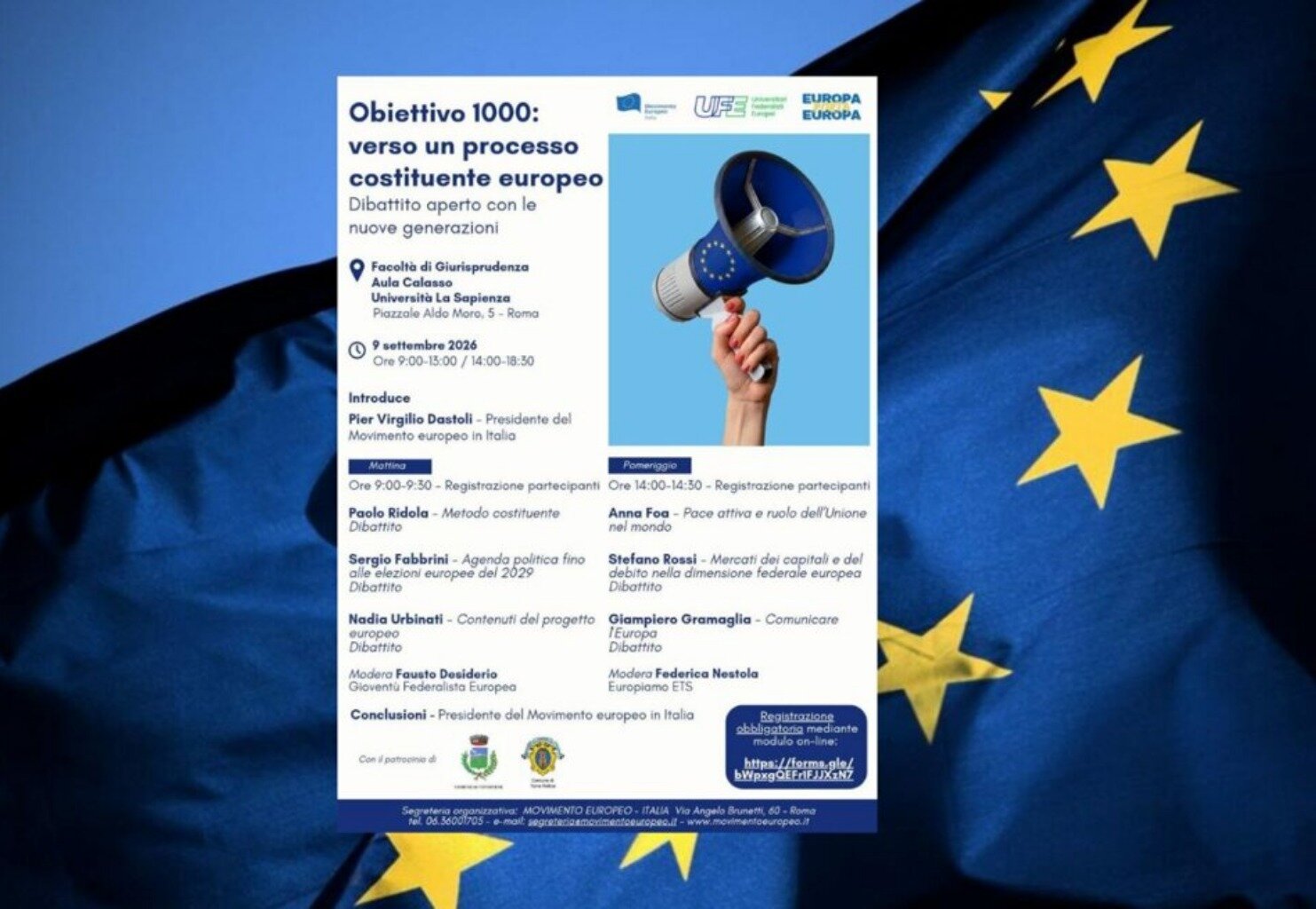
"Fractures de la guerre" (nell'immagine in basso la locandina di una delle presentazioni del numero della rivista francese in Italia):incarna perfettamente la filosofia del Le Grand Continent l'idea che la geopolitica non possa essere compresa senza la geografia, la letteratura, la tecnica e la storia. Gressani riesce a trasformare la "frattura" della guerra in un punto di osservazione privilegiato per mappare la nuova sovranità europea, che deve farsi carico delle catene del valore, della transizione energetica e della difesa comune. L'opera è dunque un invito a pensare l'Europa come un "grande continente" consapevole del proprio destino storico, una comunità che proprio nel momento della sua massima vulnerabilità è chiamata a riscoprire la propria unità attraverso una creatività politica audace e una visione di lungo periodo.

EU/ENG - Within the editorial landscape dedicated to the destinies and the historical and contemporary meaning of the European Union, 2023 is marked by the authoritative debut of the journal Le Grand Continent within the catalogue of the prestigious publishing house Gallimard, with the volume "Fractures de la guerre" (Fractures of War) under the direction of Gilles Gressani. This work aspires to intervene with significant gravitas at what appears to be a fundamental turning point for contemporary European political thought. Far from being a mere academic publication, it represents the birth of a new continental geopolitical doctrine, forged in the heart of a Paris that has once again become the propulsive center of global reflection.
The volume navigates the fault lines opened by the Russian invasion of Ukraine, interpreting the conflict not as an isolated event, but as the detonator of a structural metamorphosis of the European Union. The central thesis, sustained with rare lucidity, sanctions the definitive twilight of an Europe conceived exclusively as a single market and an impersonal legal space. Through the contributions of leading political figures and intellectuals—whose voices are interwoven by Gressani with surgical precision—there emerges the imperative of a Europe defined by a strategic realism, capable of defending its values in a century marked by great-power competition.
This shift toward a realist tone will undoubtedly provoke debate and criticism, particularly from the more staunchly federalist wings of European integration studies, as well as from intellectual circles skeptical of proposals for Union rearmament. Despite these opposing views, Le Grand Continent signals that it will continue to field world-class scholars and protagonists to drive the continental intellectual and political discourse.
"Fractures de la guerre" perfectly embodies the philosophy of Le Grand Continent: the idea that geopolitics cannot be understood without recourse to geography, literature, technology, and history. Gressani succeeds in transforming the "fracture" of war into a privileged vantage point to map a new European sovereignty—one that must now take responsibility for value chains, the energy transition, and collective defense. The work is thus an invitation to conceive of Europe as a "great continent" conscious of its own historical destiny; a community that, at the very moment of its maximum vulnerability, is called to rediscover its unity through bold political creativity and a long-term vision.
Antonio De Chiara @europolitiche.it