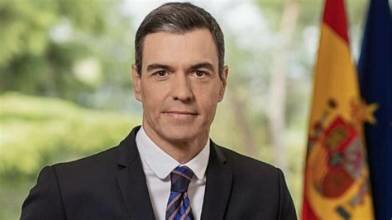



EU/ENG - The Hungarian parliamentary elections held on Sunday, April 12, 2026, have delivered a result described by political analysts as "seismic." Péter Magyar and his Tisza Party have effectively dismantled Viktor Orbán’s sixteen-year hegemony, securing a projected 138 seats—a two-thirds supermajority that grants the new leadership the mandate to overhaul the country's constitutional framework.
Von der Leyen: "A Return to the European Path"
European Commission President Ursula von der Leyen was among the first to offer a high-level endorsement of the results. Her statement emphasized a restoration of the rule of law and institutional synergy between Budapest and Brussels: "A country returns to its European path. The Union grows stronger. Today, European values win. We look forward to a new chapter of cooperation with the future government of Péter Magyar, rooted in mutual respect and the fundamental principles of our Treaties."
Her words signal an immediate hope for the "unlocking" of frozen EU funds, which had been withheld due to the previous administration's disputes over judicial independence.
António Costa: Institutional Stability
António Costa, President of the European Council, highlighted the strategic importance of this shift for the EU's internal decision-making. For years, the Council faced paralysis due to Orbán’s frequent use of the veto on critical files such as Ukraine aid and migration. Costa’s reaction focused on the reunification of the European Council's vision:
Cohesion: The victory is seen as a "vital boost" to the Council's ability to act swiftly.
Defense: Costa noted that Magyar’s pro-NATO stance would solidify the alliance’s eastern flank at a crucial geopolitical juncture.
PES (Party of European Socialists): A Victory for Democratic Resilience
The Party of European Socialists (PES), while noting that Magyar emerges from a center-right tradition, celebrated the defeat of "illiberalism." In an official communiqué, the PES stated: "The results demonstrate that "populist entrenchment is not invincible" when met with a mobilized electorate (turnout reached a record 79.56%). They urged the new government to ensure that the transition includes robust social protections and a reversal of the "captured state" dynamics that characterized the Fidesz era."
Associated analysts @europolitiche.it*
*This text is a think tank note and is not a journalistic article.

EU/ITA - Le elezioni parlamentari tenutesi in Ungheria domenica 12 aprile 2026 hanno sancito un mutamento paradigmatico negli equilibri di potere del continente. La vittoria schiacciante di Péter Magyar e del suo partito Tisza, che ha ottenuto una proiezione di 138 seggi (superando la soglia critica dei due terzi), non rappresenta solo un avvicendamento di governo, ma lo smantellamento di un modello politico durato sedici anni. Le reazioni delle istituzioni e delle forze politiche europee riflettono un misto di sollievo strategico e rinnovato vigore democratico.
1. Ursula von der Leyen: Il "Ritorno a Casa" dell'Ungheria
La Presidente della Commissione Europea, Ursula von der Leyen, ha salutato l'esito del voto con dichiarazioni di forte impatto simbolico, definendolo un momento di "riunificazione ideale". Attraverso i canali ufficiali, ha sottolineato come la scelta degli elettori ungheresi segni la fine di un lungo periodo di attriti normativi e politici tra Budapest e Bruxelles:
"Stasera il cuore dell'Europa batte più forte in Ungheria. Il Paese ha scelto di riprendere il proprio cammino europeo, confermando che i valori della democrazia e dello Stato di diritto sono radici profonde e inestinguibili. L'Unione si rafforza laddove la volontà popolare sceglie la cooperazione al posto dell'isolamento."
Secondo fonti vicine all'Esecutivo UE, questo cambio di guardia potrebbe accelerare lo sblocco definitivo dei fondi di coesione e del PNRR, subordinati per anni alle riforme giudiziarie mai pienamente attuate dal precedente governo Fidesz.
2. António Costa: La Prospettiva del Consiglio Europeo
Il Presidente del Consiglio Europeo, António Costa, ha focalizzato il suo intervento sulla ritrovata stabilità delle procedure decisionali in seno al Consiglio. Per anni, la prassi del veto sistematico esercitata da Viktor Orbán ha rappresentato un collo di bottiglia per dossier cruciali, dal sostegno militare all'Ucraina alle politiche migratorie comuni.
Costa ha evidenziato come la vittoria di Magyar possa tradursi in una unità d'azione grazie ad una maggiore fluidità nel raggiungimento dell'unanimità su temi di sicurezza collettiva e in una nuova solidità geopolitica con il riallineamento dell'Ungheria ai partner NATO e UE, eliminando le ambiguità nei rapporti con Mosca e Pechino.
3. Il PSE e la Resilienza Democratica
Il Partito del Socialismo Europeo (PSE), pur riconoscendo la matrice di centro-destra di Magyar, ha celebrato la sconfitta del "modello illiberale". In una nota ufficiale, la dirigenza socialista ha descritto il voto come un "monito per tutti i populismi europei".
Il PSE ha posto l'accento su due aspetti fondamentali sul dato dell'affluenza record del 77-79%, interpretandolo come una "mobilitazione civile senza precedenti" che ha travolto il sistema di potere clientelare. Il PSE ha espresso l'auspicio di una normalizzazione Democratica con la speranza è che il nuovo governo, forte della supermaggioranza, possa ricostruire il pluralismo mediatico e l'indipendenza delle istituzioni di garanzia.
analisti associati @europolitiche.it*
*This contribution is an analytical brief and not a journalistic article - Questo contributo è un brief analitico del think tank e non è un articolo giornalistico